Search the Community
Showing results for tags 'pinpointers'.
-
-
 ya know ive only owned 3 pinpointers in my life until yesterday i had no idea pinpointers had discrimination...re tunning etc the first pinpointer i used was a nokta the grey one with orange cap the nokta i paid 99.00 mid last year then i bought vevor of e bay for 25.00 with free shipping...still have it...recently i paid 149.00 for a red pro find 40 or should i say wasted cause some minelabfreaker posted on another forum it woul pick up a penny at 6 inches.what a line of minelab bs....i just got done watching 2 you tube vidios of the carrot and the 40 theres no difference in either in depth on all targets but my 25.00 vevor off ebay has about a full inch better detection on all coins then the garret or minelab ...go figure...lo lol lol...why does a pin pointer need to discriminate isnt your big fancy high tech 1500.00 minelab suppose to do that tell ya junk or not before ya even dig....re tune not sure what hype thats all about....beeps if ya leave it around...thats what a lanyards for....and i read this 40 detects deeper then the 35...lol.lol the nokta is about equal to carrot and 40.....my 25.00 vevor beats the carrot and 40 hands down 1 button on off volume....
 -
It seems odd to me that there are no reviews anywhere on the new ProFind 40 pinpointer, just the initial box openings and repeating the features. Surely someone has used one in the field and has an opinion they would like to share. Asking for a friend. ?
-
I'm wondering how well they work With an mxt , thanks
-
Always had my doubts about these things for placer work. I mean; bed rock cracks, under boulders or just a quick pass through in screened material before it being sluiced or drywashed. Usually I reach for my trusty GB2 for such applications. Always thought the pin pointers are better left for the parks? Perhaps I should be more open minded........?
-
This is probably an "oh duh" topic for more experienced detectorists, but I ran into it, so I thought somebody might benefit. It could be an issue for other PI detectors besides the Axiom. When running your frequency scan on the Axiom, turn on your pinpointer first. I recently bought the Garrett "Carrot" Pro-pointer with z-link and I found that right around channels (45-47) there is interference from my Carrot on the Axiom. I'd never thought to do this until one day when the Axiom picked channel 46 and then I turned on the pinpointer which resulted in noisy chatter between Axiom and Carrot. So I've added another step to my startup process. Put on a coil. Turn on the pinpointer Factory reset the Axiom Run frequency scan on the Axiom Set the Axiom up for ground conditions & preferences
-
 Does any one have any experience with this foldable hand held underwater detector? I wonder how sensitive it is on womans gold rings? I like the small foldable design. I could easily bring it in to my health clubs swimming beach area on a small private lake. They would throw a hissy if I walked in there with a regular detector. TIA
 -
 I looked on eBay but I didn't see any there, I assume somebody must have one they are not using somewhere in the world, it was a very popular pinpointer and not very many still functioning today, there has to be someone with a broken TRX that has a holster sitting in their closet I would have made this post in the classifieds forum but I'm not actually looking to buy one today, I'm just putting feelers out for when I will want to buy one in the future, if I do, right now I keep my pointer in my finds bag instead of in a holster, but this spring I might want to change things up
 -
One of my favorite things to do on a Saturday morning is watch salt and clear water diving/metal detecting videos. This morning I happened to notice that Micheal Oliver had some kind of small external attachment on his PulseDive which he claimed gives him extra depth and was purchased through detect-Ed. Initially I had my skeptic hat on, but hear me out. I suspected, based on how the attachment looked that it was a magnet filter of some sort housed in a strap. So I got out my PulseDive, a ruler, a quarter and various sizes of magnet filters I pulled from a TV set. Lo and behold, I was able to boost depth on a quarter from the usual 6” to as much as 7 1/2 to 8” depending on the size filter I used and placement. The only issue, which is easily addressed is affixing the magnet filter to the device (externally, no operation needed) just below the coil. Try this for yourself. It’s pretty eye opening. And I didn’t think it would work for beans.
-
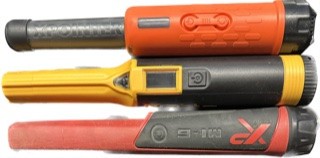
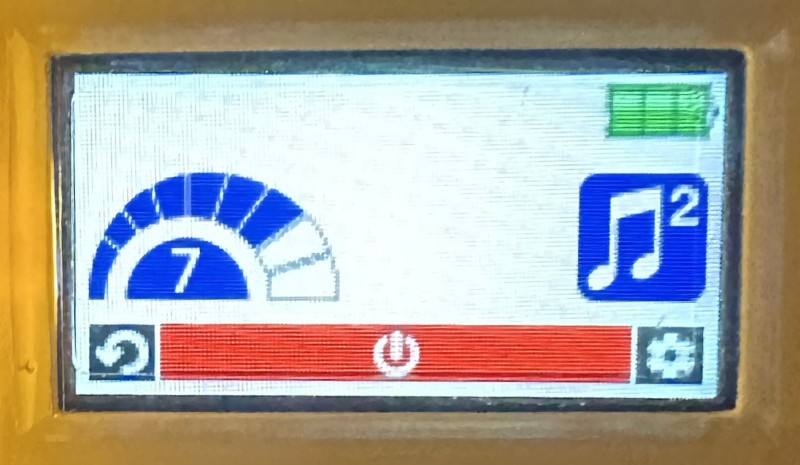
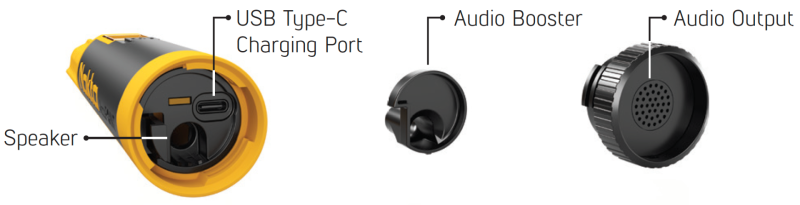
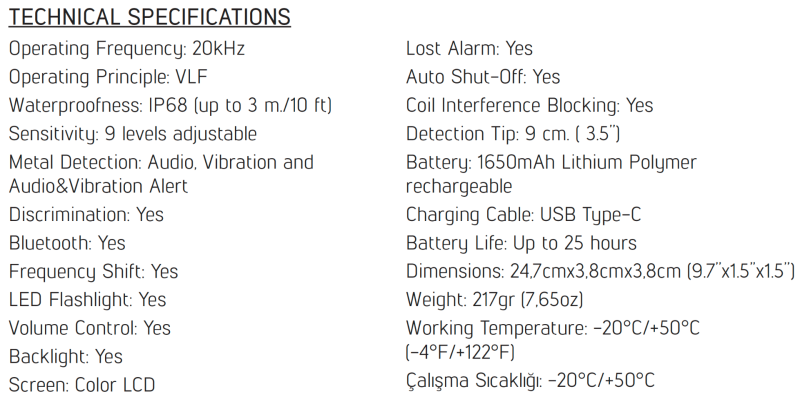
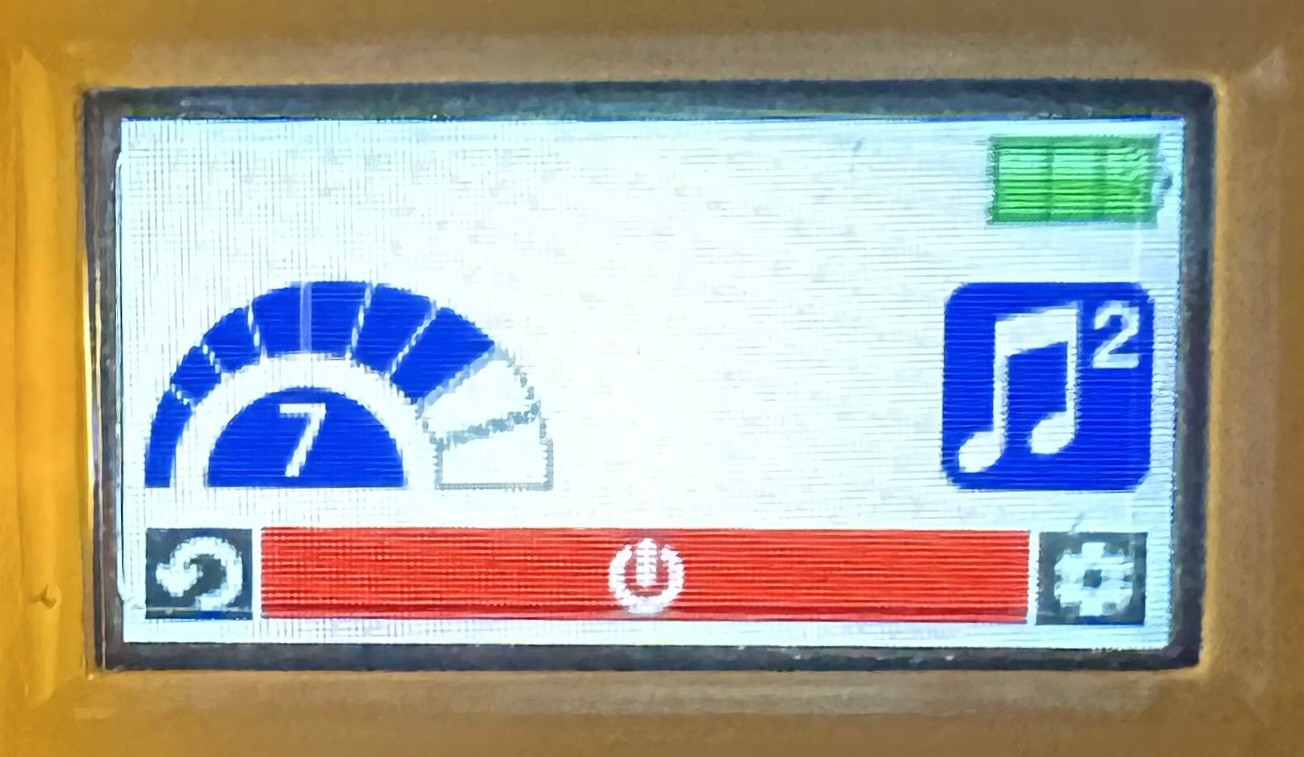
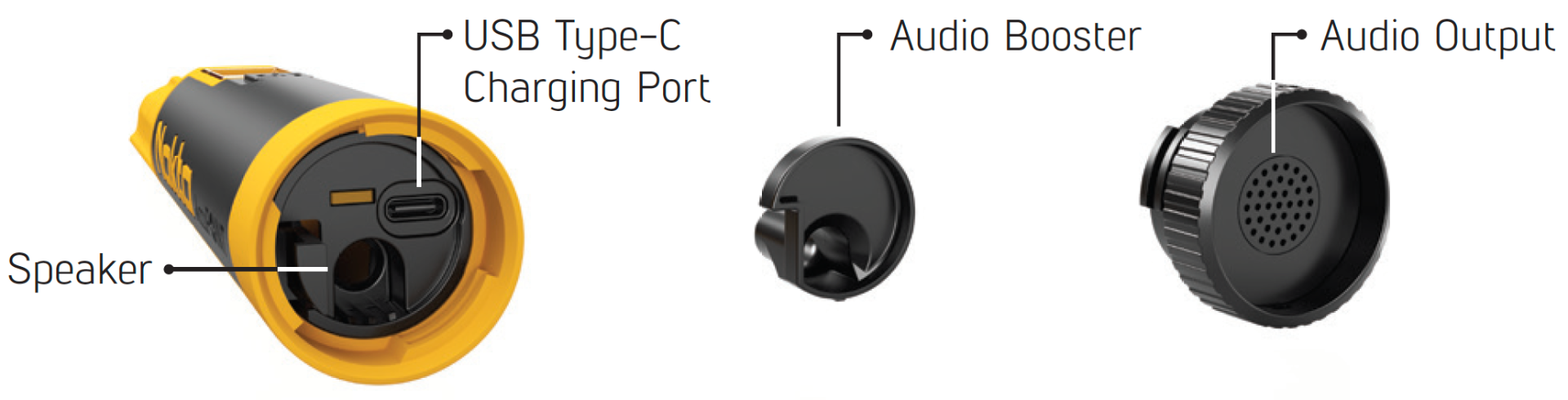
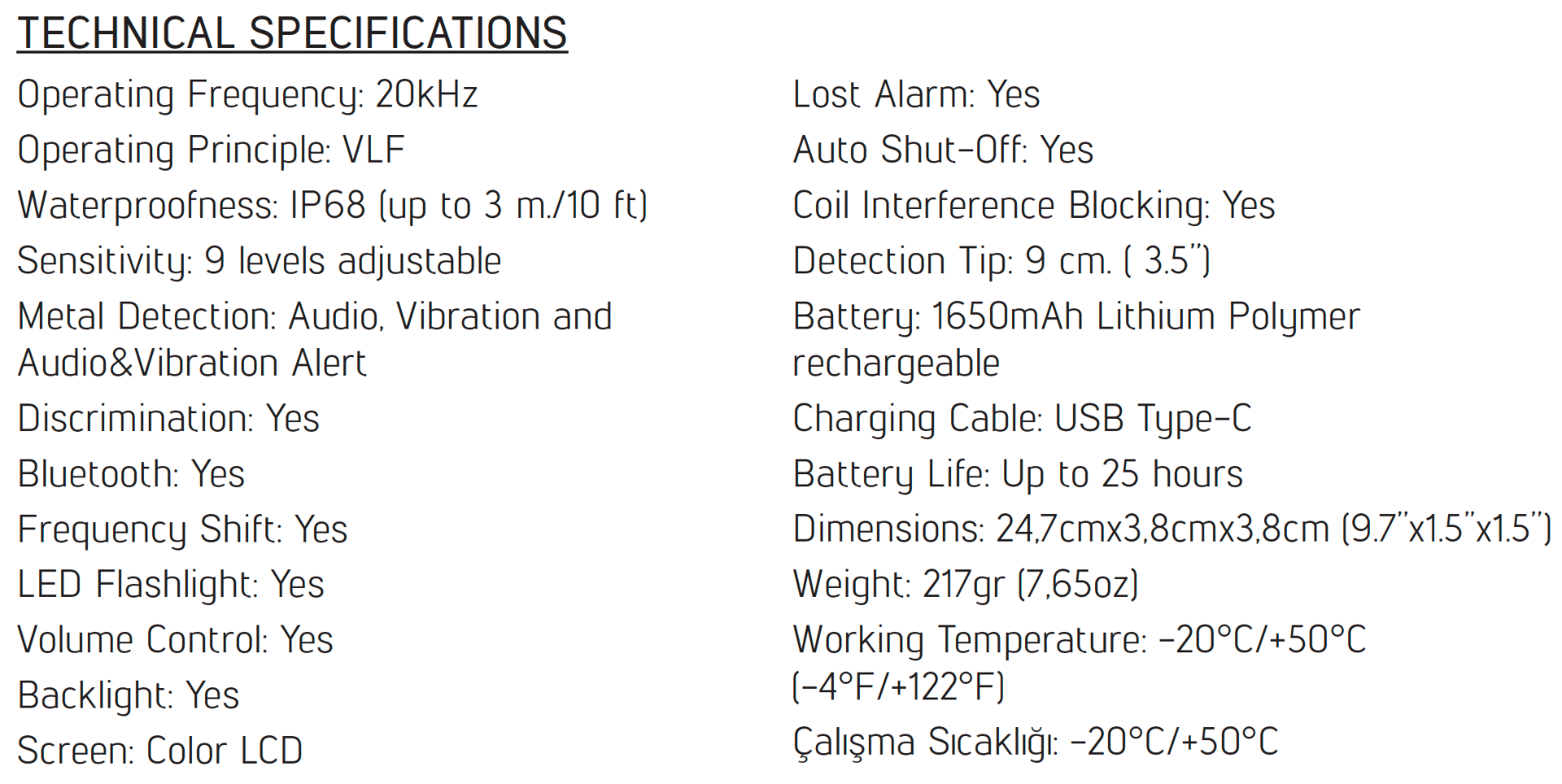
 I was lucky enough to be one of the few Beta testers for the new Nokta Makro Accupoint and now that I’m officially released from the NDA, I’m going to attempt to do my first detailed review of a new product. I've only been detecting for around two years, but I do know what I enjoy using and what works well for me in my area of SE Ohio. I do want to point out that I did not get a chance to test the Accupoint on a beach, all my testing was done in fields and parks. Additionally, these are the results I got during my testing and realize that some of these results will vary, depending on your specific location. I would also like to point out that this is just my opinion, which is based on my relatively short amount of time detecting. I have eleven pin-pointers from most of the main manufacturers, but my “go to” pin-pointer has continually been the XP MI4 or MI6. For comparison purposes I will use the XP MI6 and the Quest XPointer Max. I apologize for the picture size, I couldn't quite figure out how to adjust the fonts, and the sizes of the pictures to be more consistent. In the Box When you open the box, the Accupoint comes with the items that you normally expect to receive: a holster, lanyard, charging cord, extra O-ring, and an extra tip protector. In order to use the Accupoint paired with the Legend headphones, you must upgrade your Legend software to version 1.12 for Accupoint (Test version?). Ensure that you do a factory reset on the Legend after you have updated to the new software. Build Quality The Accupoint is sturdily built. It has a one-piece thick plastic outer shell, with a replaceable protective tip. The end cap houses the audio output, which acts as a cover for a removable audio booster and the internal speaker which is located beside the USB Type-C charging port. The end cap has three locking lugs that turn and lock the end cap in place, as opposed to a traditional screw on cap. I submerged the Accupoint in my bathtub for 10 minutes and this did not have any effect on the Accupoint when I took it out of the water and turned the unit on. Finally, the internal lithium polymer battery lasts approximately 25 hours, and remaining battery life is displayed on the LCD screen through the use of a battery indicator icon. Unscrew the cap and you can see the removable audio booster, the speaker, and the USB Type-C charging port. Size/Weight Dimensions are about the same as the Quest XPointer Max and slightly thicker than the XP MI6. The Accupoint weighs in at 217 gr, versus the Quest at 185 gr, and the XP MI6 at 170 gr. Not a big difference but you can feel that the Accupoint is a little heavier. Settings The menu settings are accessed by holding down the On/Off button while the unit is on, until the red status bar indicator reaches the setting icon and you hear one beep. The menu settings are extremely user friendly and very intuitive, unlike most other pin-pointers, where you have to memorize how to access different settings. Sensitivity: Sensitivity level consists of settings from level 1 to level 9. Factory setting is level 7, and I found that in the areas that I detected, a setting of level 8 or 9 falsed. However, on level 8, after I performed a frequency shift, that quieted down the Accupoint. Ultimately, I ended up using the Accupoint on the factory setting of 7, as it seemed to detect items at the same depth as a setting of 8 or 9. After digging nearly one hundred targets, it does seem that the Accupoint hits targets a little harder than the Quest or the XP pin-pointers at the edge of detection. Sound and Vibration: Not much to say about this other than the Accupoint operates in three modes: Sound, Vibrate, or Sound and Vibrate. Search Modes: Tone 1: All metal mode. Tone 2: Discrimination mode. This mode discriminates between ferrous and non-ferrous items and gives a different, distinct alert and vibration for an item that is determined to be ferrous. Lastly, the Iron Off mode, which does not detect iron. In this mode, the Accupoint did not detect an iron square nail, but the Quest identified it a non-ferrous until it was approximately 1.5 inches away from the nail at which point the tone turned to ferrous. On several occasions during my testing, the Quest gave a ferrous signal on items at the edge of detection, that the Accupoint identified as non-ferrous. In every instance that this occurred, the item ended up being a copper wheat penny. Bluetooth: There are three Bluetooth settings: Off, Bluetooth Headphones, and Bluetooth Headphones with pin-pointer speaker. · Please note that you pair your pin-pointer with your headphones, not your detector. · Leave your Legend detector off while pairing the pin-pointer to the headphones. Pairing Process: Turn your headphones on, the turn on the Accupoint. Go into the Accupoint Bluetooth settings and select the Bluetooth Headphones setting. Wait for 1-2 minutes, until you hear the pin-pointer through your headphones. Once you pair it the first time, it will connect from there on out until you turn off the bluetooth. If you are trying to locate a target and you power on the Accupoint, the headphone connection is immediate, but once you turn off the Accupoint it can take up to ten seconds to disconnect and revert back to your detector audio. Additionally, while trying to locate a target, I found that occasionally the bluetooth says “disconnecting”, through the headphones. The unit did not disconnect and performed without an issue, but it did concern me initially until I got used to it. Frequency Shift: This setting is used to prevent interference with other detectors operating nearby. The Accupoint has three different frequency shifts. A frequency shift helped reduce falsing on sensitivity level 8 in the area I was detecting. LED Flashlight: This setting has two modes, on and off. The flashlight is considerably larger and brighter than any of my other pin-pointers. Volume: The Accupoint has two volume levels, Low and High. This pin-pointer is louder than the XP MI6 but not as loud as the Quest, which is really loud. Since I have loss of hearing, it would have been nice for a third, louder level. But the factory high setting is probably plenty loud for those who do not have a loss of hearing. LCD Screen Backlight: The Accupoint has two backlight levels, low and bright. Even set on bright, I still had to turn out of direct sunlight to be able to read the screen. Factory Default: Self-explanatory. Compared Pin-pointers: I have eleven pin-pointers. Of those eleven, I generally use the XP MI6 pin-pointer. After testing the depth of the Accupoint in my ground, I figured that I would compare this to my XP and the only other discriminating pin-pointer I have, the Quest XPointer Max. Of all my pin-pointers, the deepest is easily the Fisher F-Pulse, followed by the Quest. The Accupoint is third on that list, and beats the XP, Garrett Carrot, and the Dr Otek. I don't count my Whites Bullseye TRX because it is no longer available, although I do really, really like mine. What I don't like: Honestly, the dislikes are just a matter of preference. My opinion will probably change as I use it more, but I prefer the side On/Off button of the XP MI6. The button is on the top of the Accupoint and is easy to push but I’m just not used to it in that location, so I continually find myself feeling along the side for the button. The other issue I disliked was falsing in the higher sensitivity settings, but that was fixed easily enough with a frequency shift, retuning the pin-pointer, or lowering the sensitivity setting. What I like: This is a really nice pin-pointer and I think that Nokta Makro did themselves proud with this one. Its very well made and feels good in the hand while using. It is simple to use and the menu is extremely easy to use, which is nice for a change because I can never remember how to get into menus of my other pin-pointers. The replaceable tip protector is a nice touch for those that tend to destroy the tip of their pin-pointer. Lastly, after digging nearly one hundred targets, I can say that the Accupoint found everything that the Quest or the XP found, and identified ferrous or non-ferrous targets more accurately than the Quest. Great job Nokta, I think I have a new favorite pin-pointer.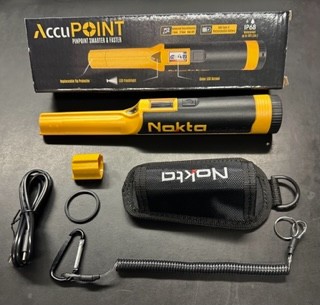
-
 It has iron discrimination and the holster will turn the pointer off when inserted, and on when removed. Very affordable price. Will post my results later. Thanks, George.
 -
I have a Minelab Pro-Find 35 pinpointer and really like it, but I think it suffers from thermal management issues and will be sending it in for warranty. I'm sure the replacement will be good, but I'm looking to buy a second pinpointer for a spare and was wondering what a is the best one to get.
-
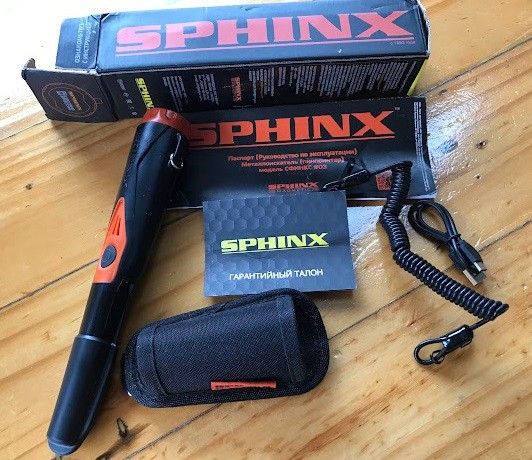
Earlier there was a post by Cipher about a pinpointer he was gifted by the sounds of it, it sounded great in his post so I thought I'd get myself one being a pinpointer addict. I asked a friend in that part of the world from X-coils if he would buy one for me and I'd pay him for it and ship it over, thankfully he did that for me which I appreciate. Now please keep any replies about pin pointers and not about country of origin or any political views or feelings about countries as really that's not what matters here and that appears like it happened to Ciphers post as it was locked down. I know a few have been wondering how it performs compared to pinpointers they currently own seeing it had such a glowing review. I haven't had time for that yet as it only just arrived but I'll keep this thread updated as I learn more. At this stage all I'll say is it looks good quality, it was very easy to pair with my Iphone and the Sphinx app so I can adjust settings and so on from my phone although the App is only in Russian so I used a translator app to work out what each setting is, I'll probably print out a little cheat sheet until I get used to it, it really needs an English language app if they ever want to sell these things in the English speaking market. To connect it to your phone you just load the app, turn on the pinpointer by holding down the button until a jingle and it pairs up and you can adjust settings, save them and it's all good to go. I suspect I may just set my favourite settings and not need to change them again. I currently have it on charge seeing it's new so I won't do much with it yet as I've got it plugged in charging as I did when i tested the phone connection. I quickly changed it to maximum sensitivity and swung it around a bit and no false signals like my TRX and Pro-Find35 do by moving it around in the air. I tested a few shotgun pellets and the TRX is more sensitive which counters what Cipher was saying although early days and I will do proper testing once its charged up and ready to use without being tethered to my USB charging station by it's very short USB cable. ? I know @jasong was particularly interested in this pinpointer for reasons similar to me, so I'll see how it handles the GPZ and GPX detectors soon, or rather how well they handle it. I like you can just turn it off and on by inserting and removing it from it's holster, something Quest has now also done on their latest pinpointer, I believe Sphinx was first with this function, it works well. It comes with a tip protector with a scraping end fitted and nice loud speaker. Rather than just my opinion I'll put some videos on as I like seeing videos rather than just hearing peoples opinions, I prefer to see what they're saying in cases like this. I'll update as I get more time and information on it. Here is the link to the App on the Apple App Store App Store: SphinxMD (apple.com) I managed to translate the manual from Russian to English so I'll attach it to this post so if anyone wants it they can have it in English, not a perfect translation but good enough. Manual pinpointer Sphinx 03 2023-01.ru.en.pdf
-
 Does anyone have any idea how many TRX Bullseye were sold? The number of units could provide information about how many TRXs may appear in the future for replacement (parts or the old one).?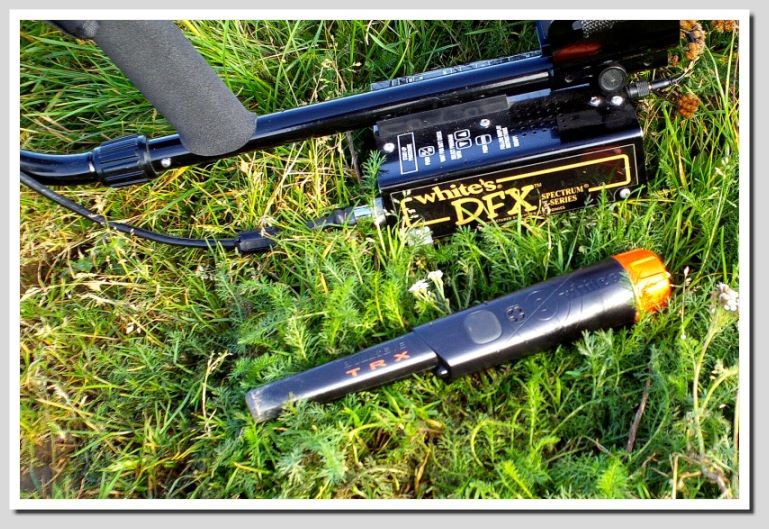
-
I know the carrot is highly thought of but I have seen some heavy users say the tip can wear and expose things. I am looking at the Pulse Two in One and like what I see including what seems to be a better protected tip. Another option is the Quest Scuba Tector again with additional tip protection. Problem is both are kinda new and I have seen some bashing, especially on the Quest. The thing is no matter how many whistles and bells something has it's basic function has to work or nothing else matters. I am not wed to any of these three choices; just the ones that my research has turned up so far. Any advice welcome.
-
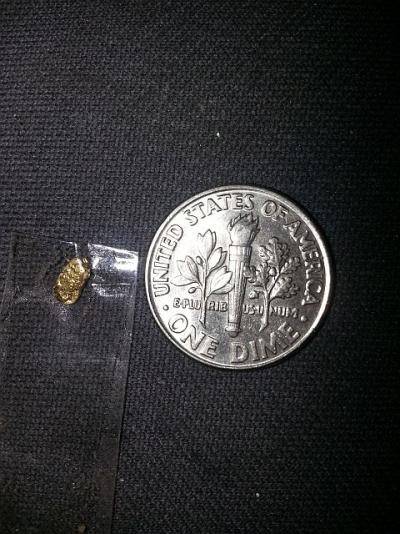
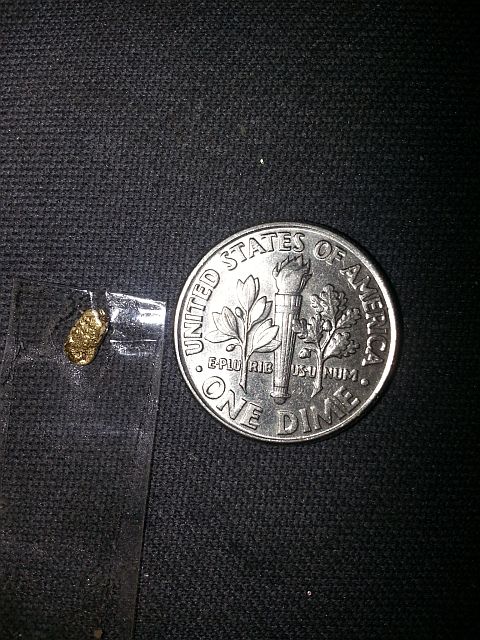
After reading a post from rumblefish he had asked the question? "So I got to wondering, what is the minimum flake/nugget size that can be detected? Could anyone with an SDC (or even a Pro Pointer) post and tell me their results?" So I thought I would try a small nugget with the x-pointer, don't know the size of this nugget but the x-pointer would not detect it, Yes it was on level 4..
-
-
Minelab PRO-FIND 40 Pinpointer VS. MI 6
-
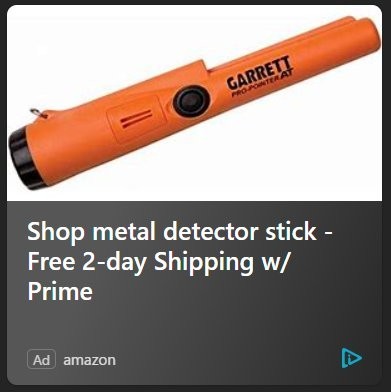
Just when I thought I had heard it all in metal detecting land, this popped up on my computer this morning. I had to share it!
-
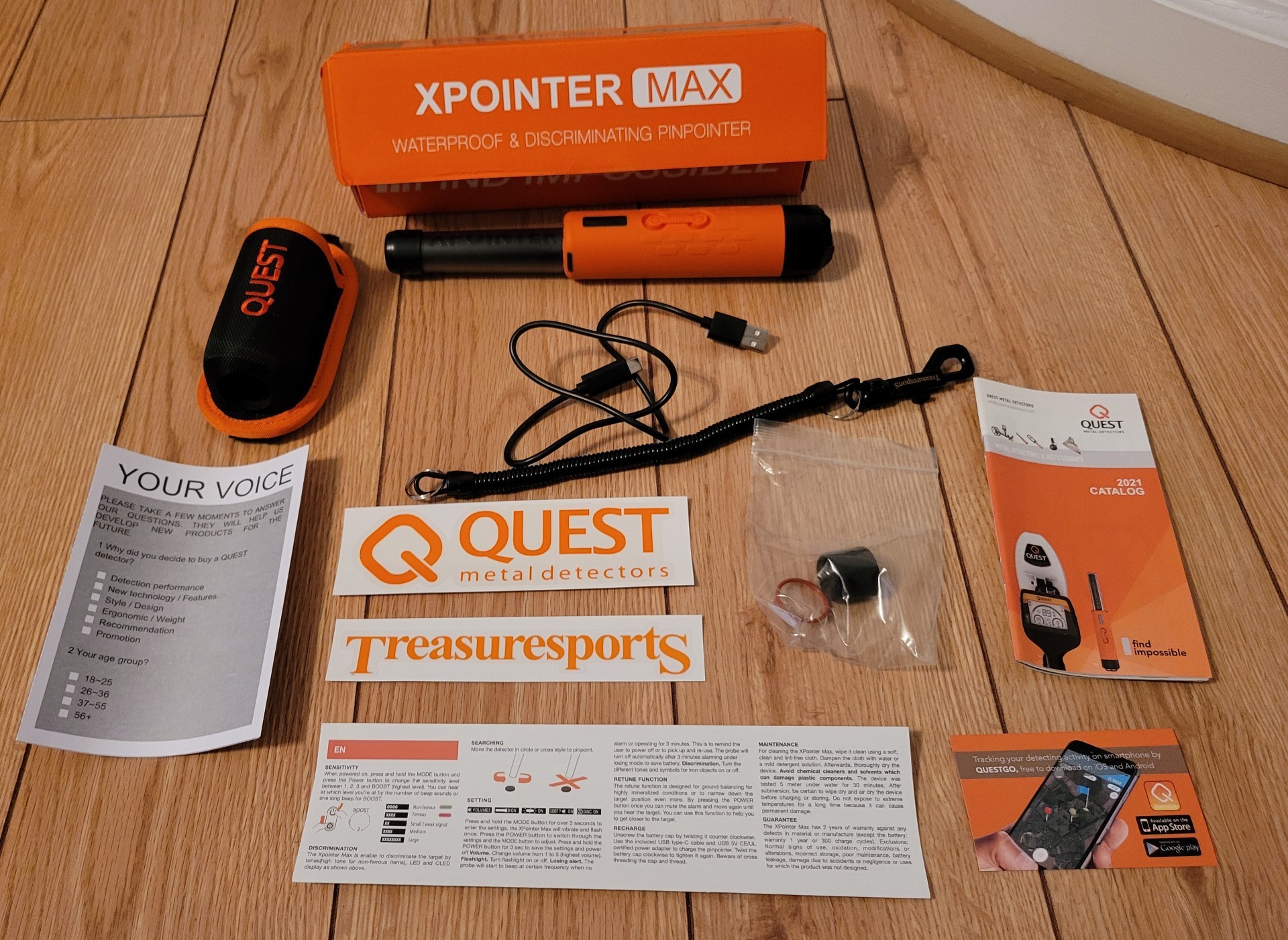
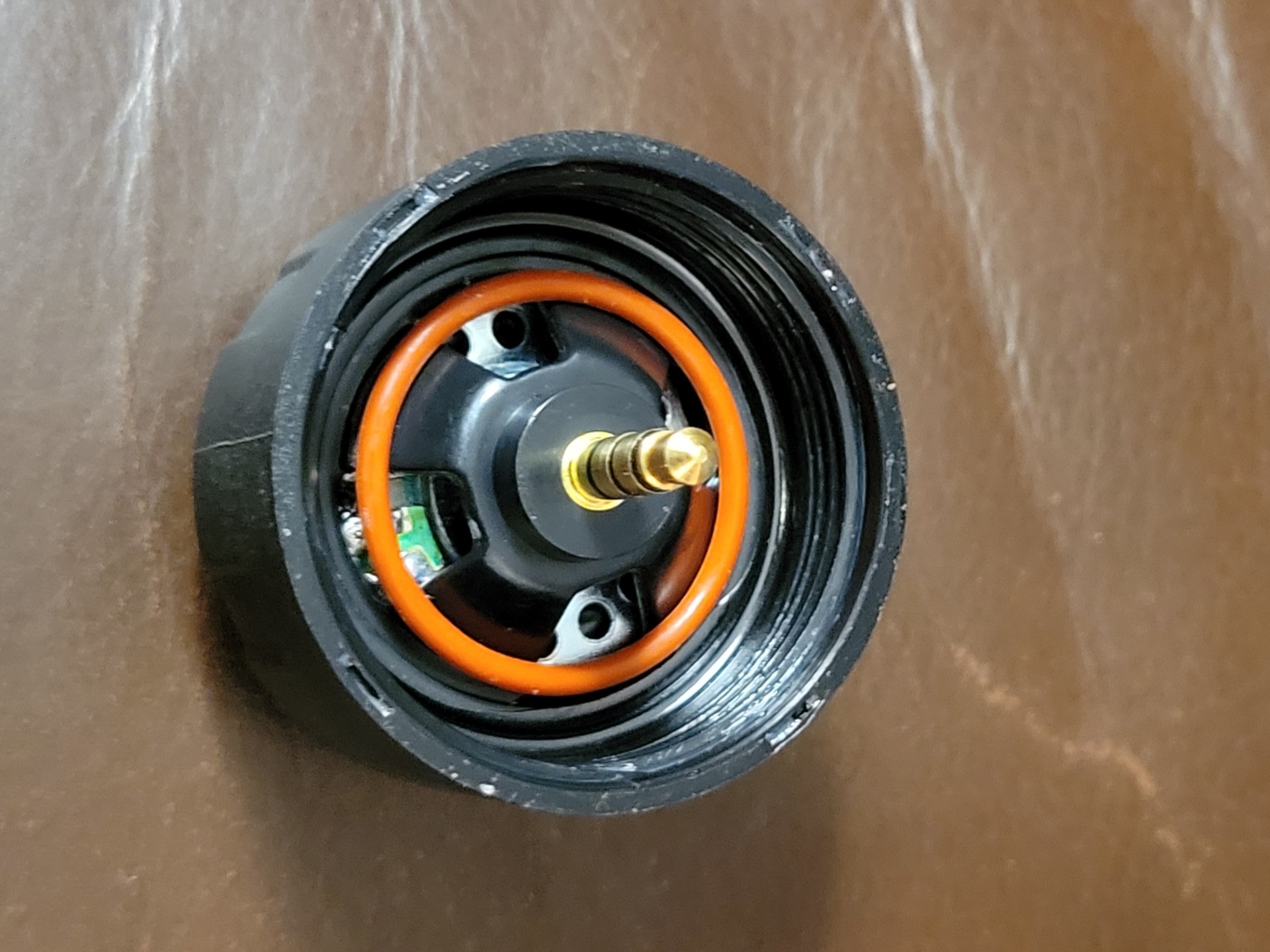
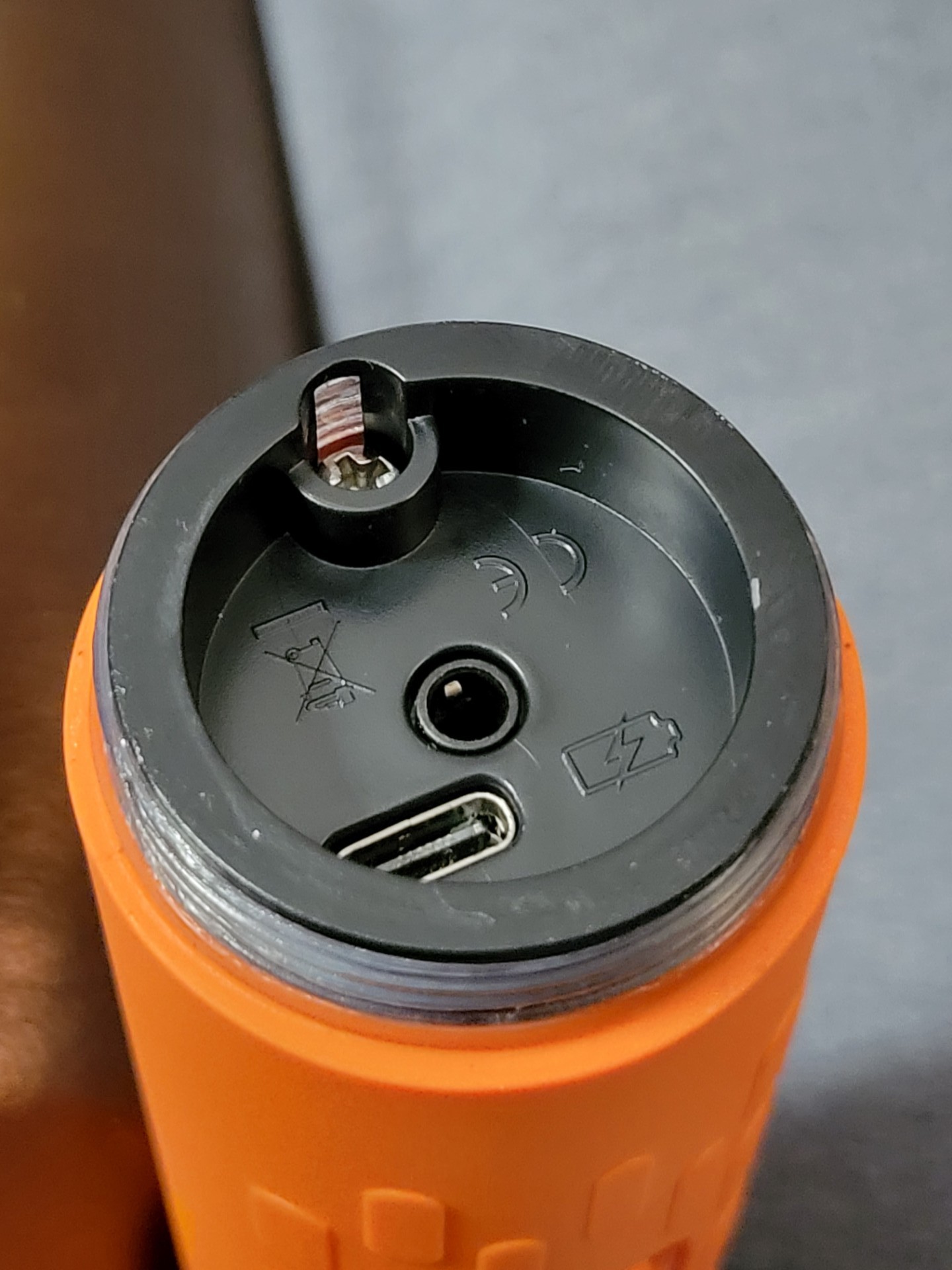
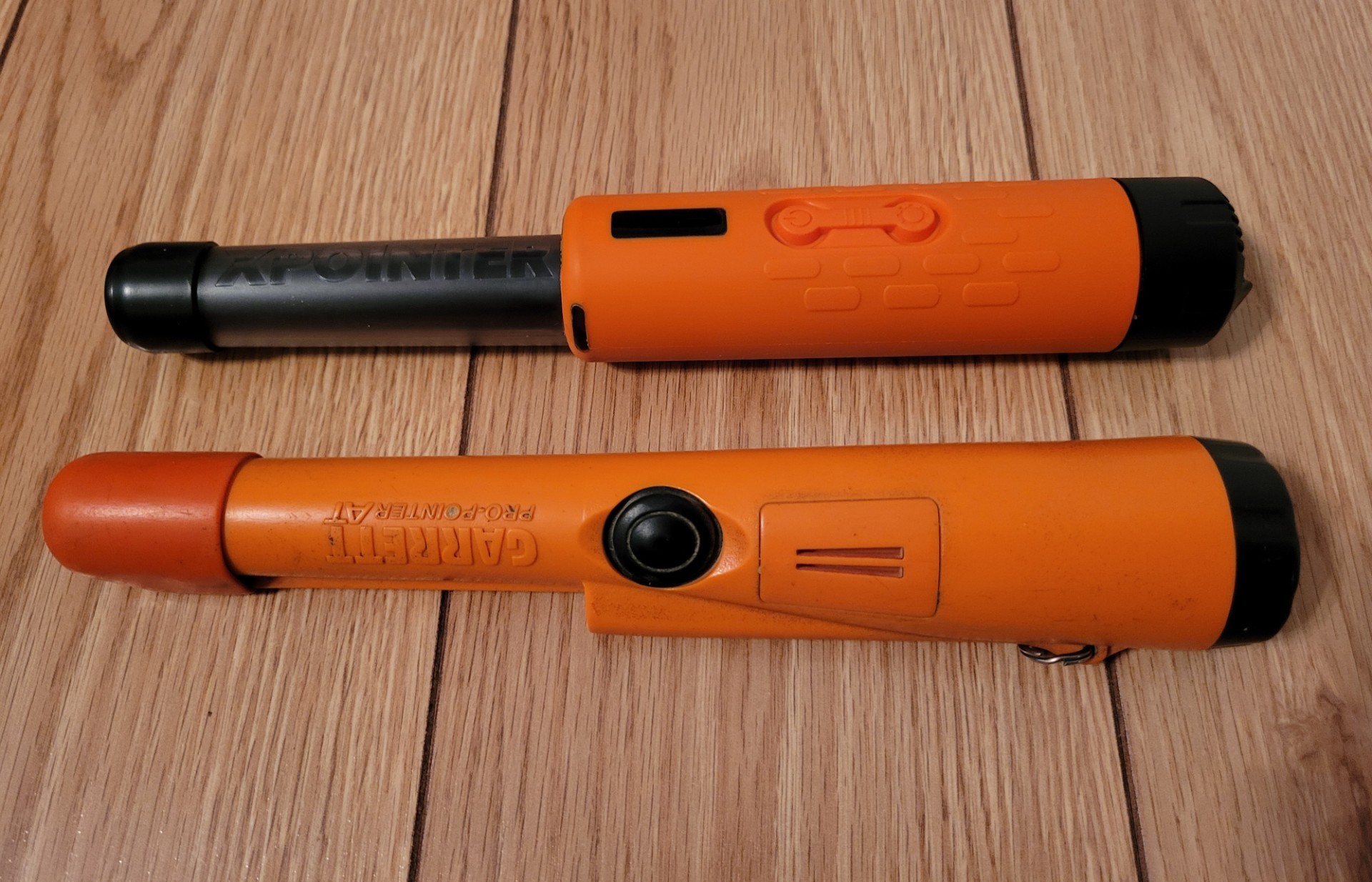
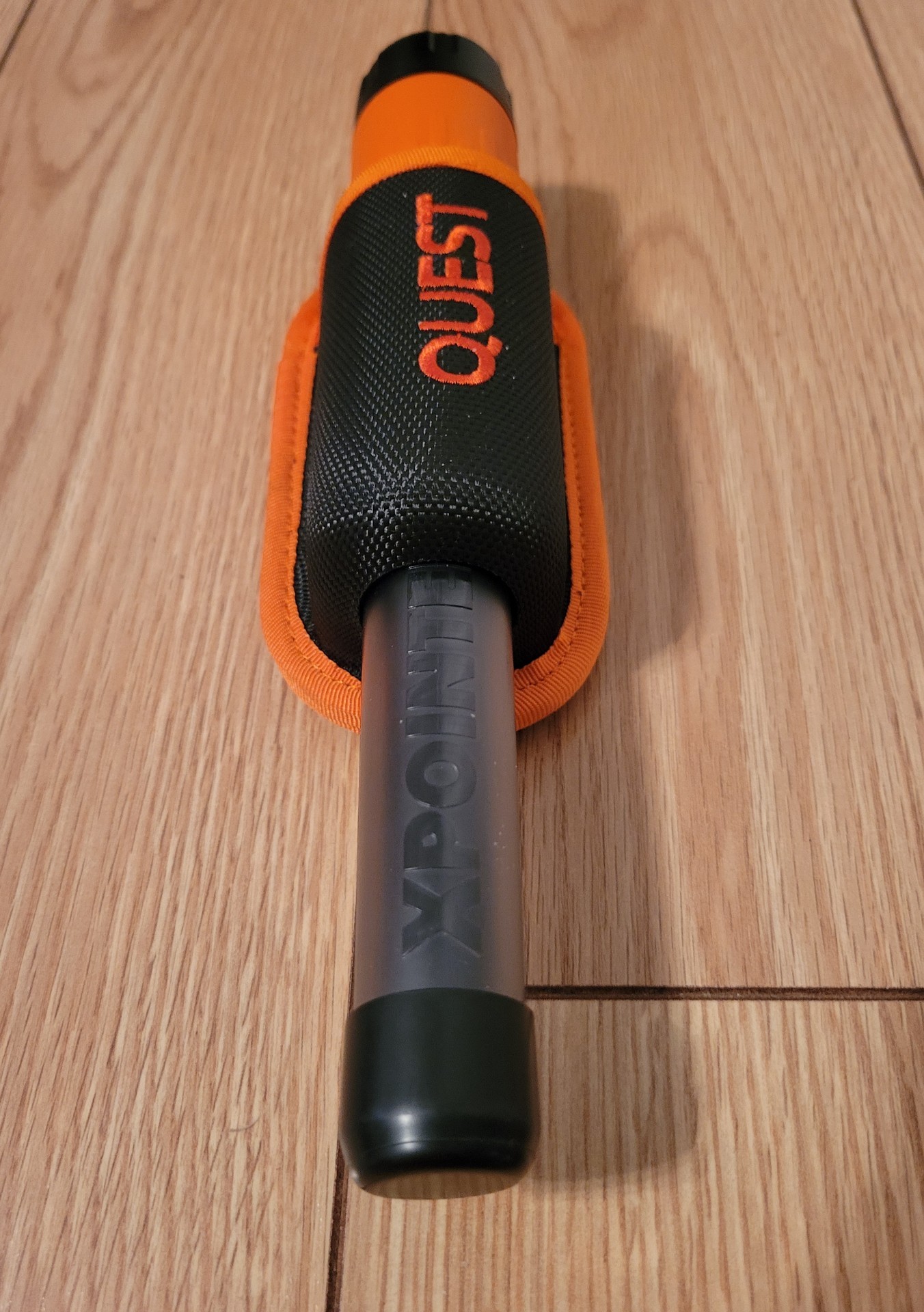
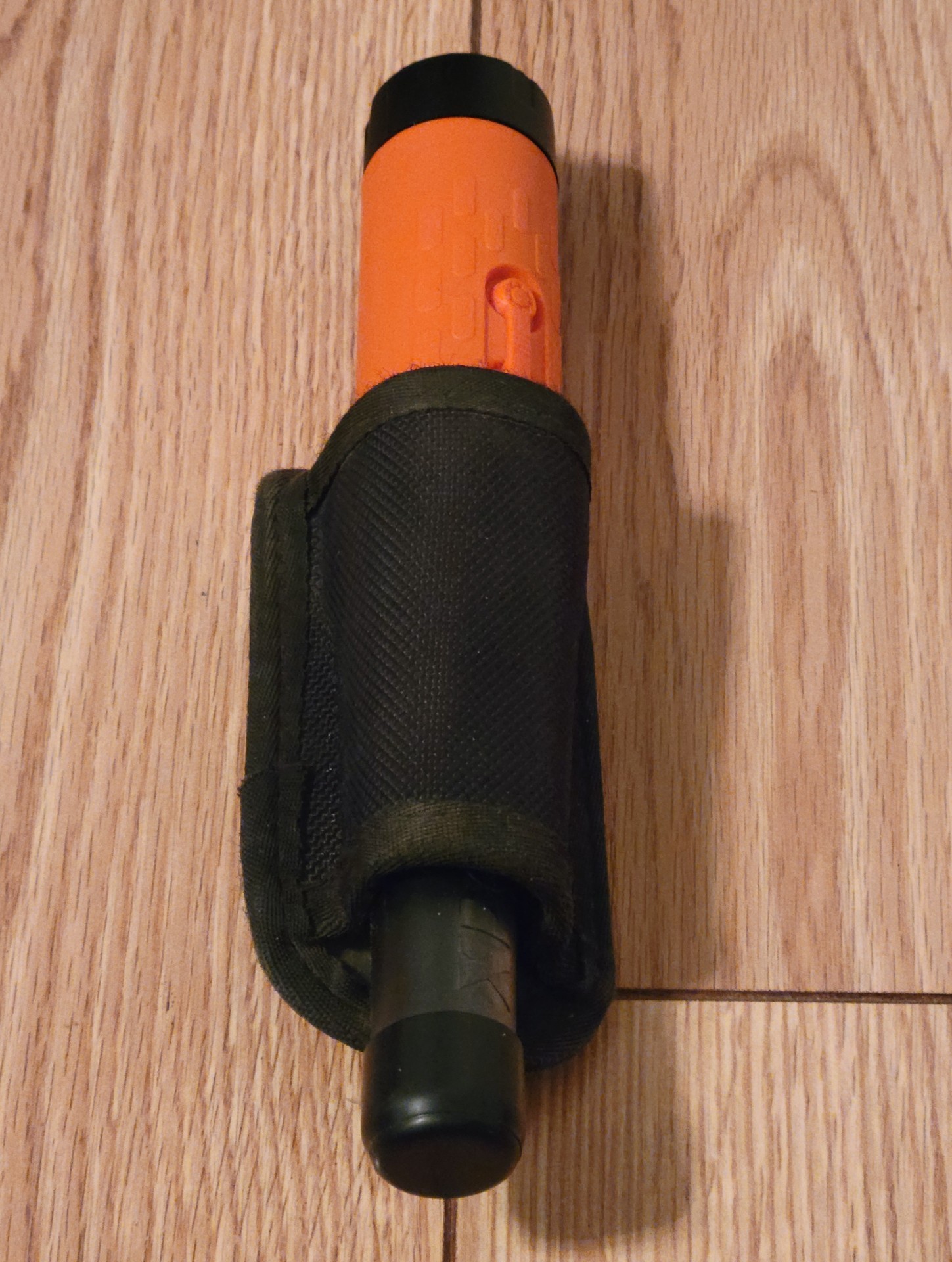
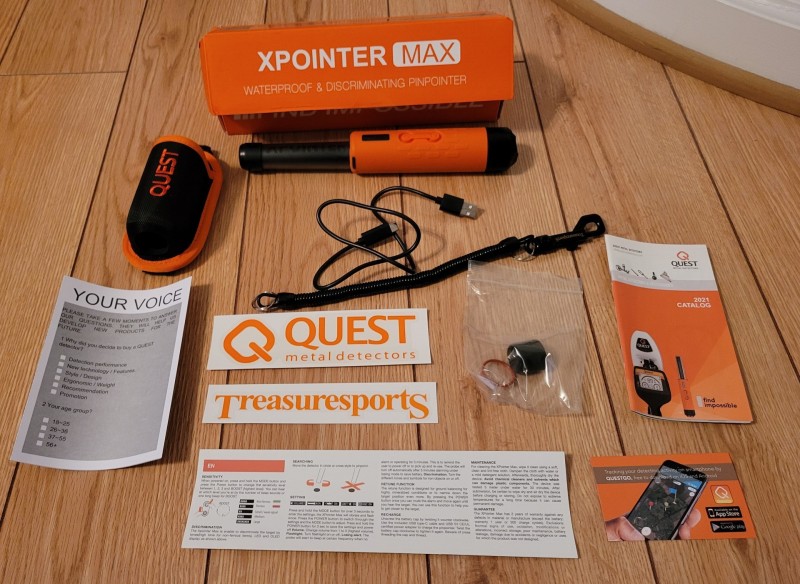
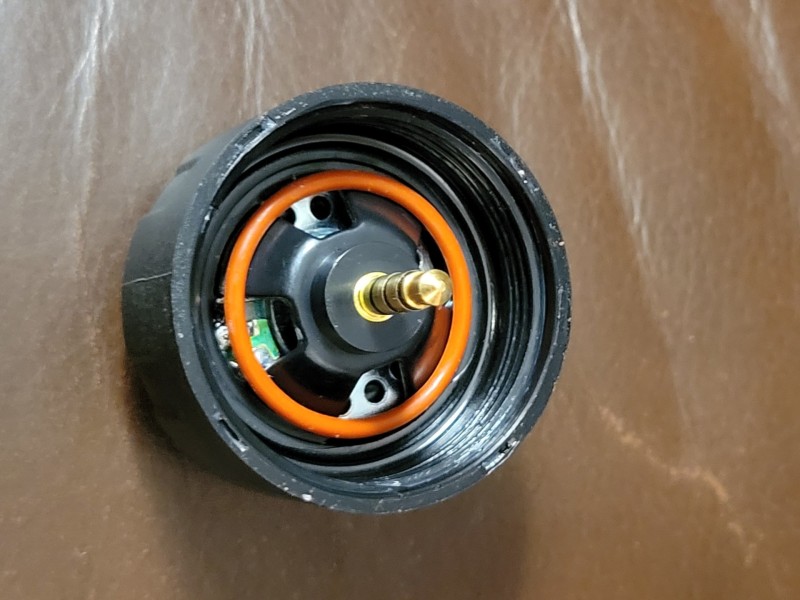
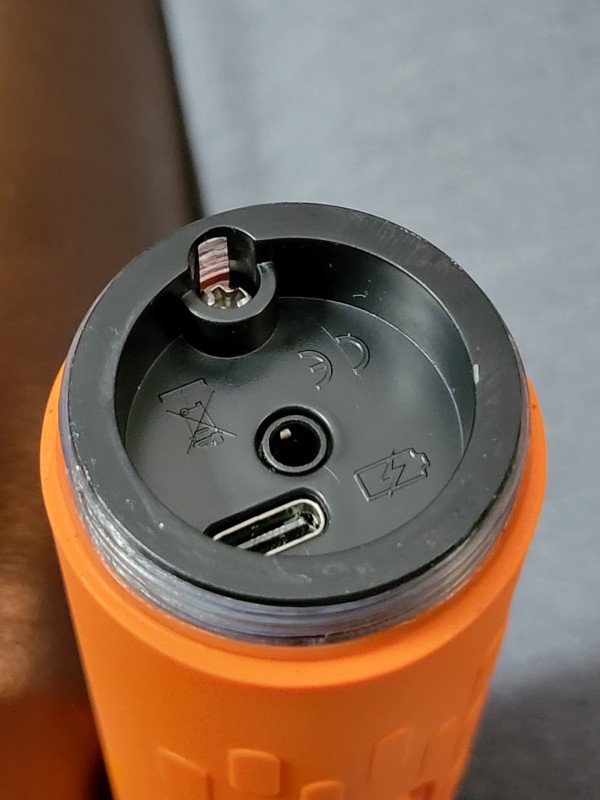
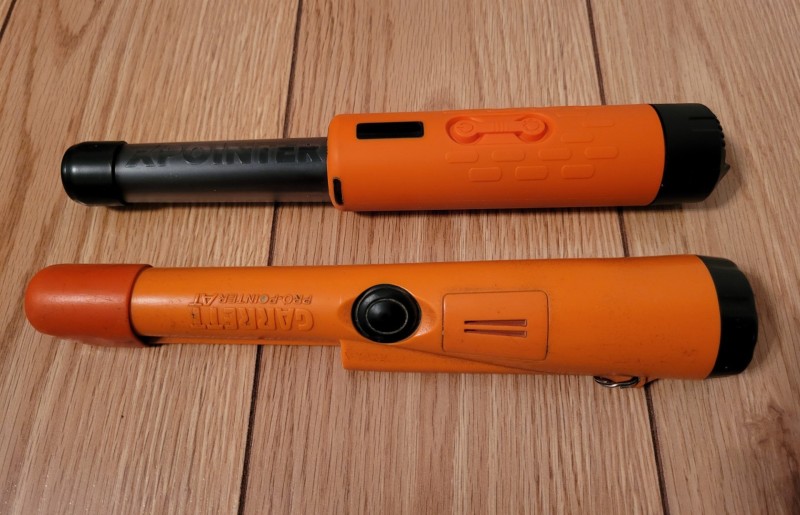
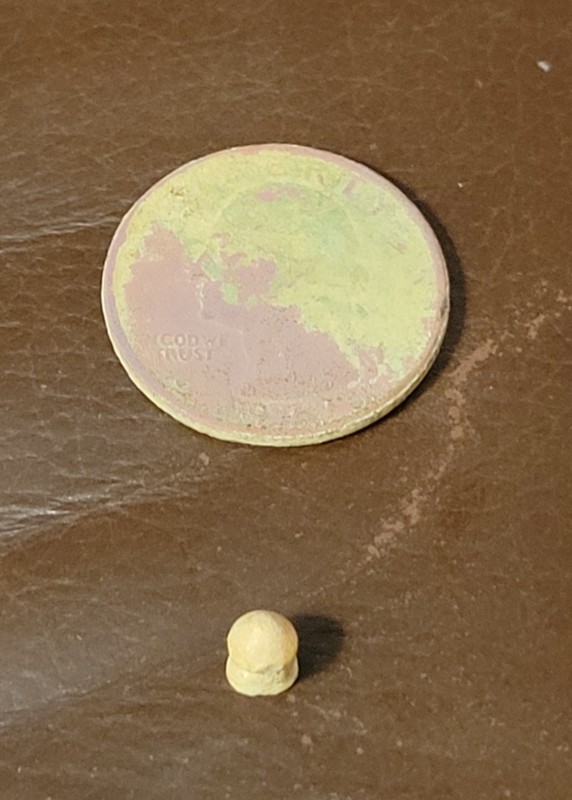
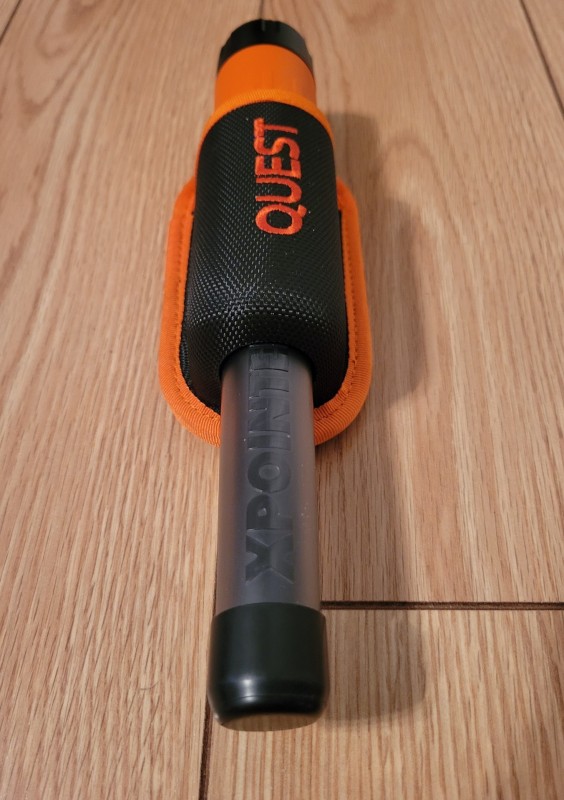
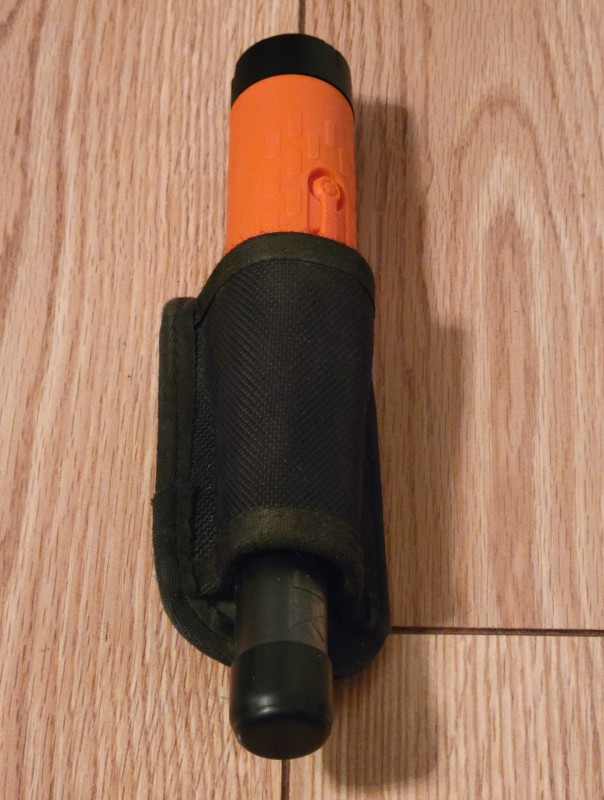
Gonna do my first review of a new product, I've only been detecting for a year, but I've got a lot of "trigger time" and know what I like in comparing and using some stuff, i.e. headphones and other accessories. I've tried quite a few things, but now fixed income makes it a bit more difficult. I want to try a review to move out of the "novice" column. ? I'm not gonna include videos, I can't find an .MP4 upload. Photos will have to do and y'all know I do that a lot. ? Not going to create yet another social media account. Review I've been seeing some rumblings about the Quest X pointer Max. I looked into it and watched some videos. One day I thought "this thing might be a time saver if it does near what they claim, and I had a little extra cash on hand due to a small claim I won, so I paid the $136-ish ransom to try it out. I can only compare it to the Garrett Propointer AT, my constant detecting buddy. I have never used anything else. I love that thing but it's finicky as those who use it know, sometimes it isn't "right" when you turn it on. I always have to check it on my shovel before using it in the hole, and sometimes while I'm searching I have to reboot it. Gotta say it sets and keeps the standard for me, but I'll let you judge whether it's been beat. I am in no way affiliated with anyone but my wife ? In the Box It comes with a lot of stuff, a holster, lanyard, charging cord, extra O ring seal and two tip protectors, along with warranty literature, way cool stickers, a card hyping their detecting app, a catalog, and instructions in everything but Swahili. Took me a couple of looks to find the English instructions for the buttons. Build Quality The Xpointer is nothing short of built like a tank. It has a thick rubbery plastic outer shell, the orange part. The antenna portion is hard translucent polycarbonate-like plastic, with an inner core that houses the antenna that is some sort of tough poly. The end cap houses the speaker, and is kinda thin. Honestly I think it may be a bit cheesy, but it is thankfully square-threaded because you're gonna have to keep unscrewing it to charge it. The internal battery lasts about 14 hours, I hope in the long run it will equal the use of a 9v battery. The display has a battery indicator that flashes available power when you turn it on. Unscrew the cap and you can see the board for the waterproof speaker, a mini plug that operates it, and a strange O ring arrangement where the o ring stretches on the angles around the plug to expand and seal the unit. They give you a spare but be careful. It comes loose every time you open it. Tip - always screw the cap on from the bottom while holding it upright! Inside you can see how thick everything is, the headphone jack (yes you can use external headphones but bye bye waterproof), the screw where ostensibly you can take it apart and replace the battery (with abuse a Lithium-ion battery will just drop dead one day, trust me). The USB-C charging port which requires the use of their cable. Size/Weight Size is about the same as the Propointer AT, my Carrot weighs 190g on my scale, and the Xpointer weighs 188g. Not a big deal. Compared I'm not going to go into how to operate it or how it sounds or how you turn it on and program it, there are plenty of videos that will do that for you. I'm going straight for the kill - what it will do compared to the venerable Garrett Carrot. This new pinpointer is a whole new take on the art, you get two-tone discrimination, with lights that show you what you have, either ferrous or non. It also has a display and two buttons. The display indicates distance from the object, and the buttons allow you to turn on, adjust, or disable almost anything you want. The Carrot is simple, and this isn't too bad either. Once programmed, you press the forward button to turn it on, and use it the same way as the Carrot. You really won't need the rear mode button after that unless you get a wild hair. The detecting area is mostly forward, and it is a 9.5kHz VLF. There are links to show you specs as well, I'll try to include them in this thread later with other tests. What I like initially This is a dual discrimination pinpointer, maybe the first of it's kind, I haven't been detecting long enough to know. That's what attracted me to it. It seems tough but we will see, it's as waterproof as most others, and it does ratchet re-tune like the Garrett. I think the tone separation is good enough, and the on/off tones are distinct. It's loud enough. It has adjustable levels of audio, and you can fiddle with almost anything. It's definitely a unique device, and costs the same. It has a cool holster and lanyard. It feels good and grippy in the hand, and looks a bit less like something you might use in private. ? The most important thing is it seems to have an inch to two inch (sorry metric fans) advantage over the Carrot in air tests. One person wondered how it does on tiny targets - here is a fired .177 caliber pellet I'm amazed I found that is detected about a half-inch sooner than the Carrot, and detected properly as non-ferrous: Ratcheting is another thing I like so far, it works exactly the same as the Propointer in air tests, but again, more distance. The real acid test will be water and I have plenty of brackish water to check it in a later post in this thread. So far it looks pretty good, and is a definite contender. What I don't like initially The first thing is the internal battery and charging. If I'm gonna have to charge this bad boy often I want a magnetic charging port like the Equinox, or a waterproof USB-C port on the outside like a cell phone. I also want Power Delivery fast charging. I don't want to unscrew the cap and "deal with the seal" and have no way to use it while charging. I get out detecting a lot, and don't mind carrying a PD battery to charge my phone or my Equinox on the fly. This will get all sorts of dirt in it if I have to charge it while digging. ? I'm not even sure if that will work. The next thing is the holster. It's really cool and has a thoughtful D-ring on it for the lanyard, but it has an Achilles' heel - if you use the provided tip protector you will rip it off pulling the pointer out of the holster.? This is easily solved by using the Garrett holster or a cheap knockoff. ? You also gain "grabbability". The snap on the quest holster is weak, unlike the "Pliers and a Blowtorch" snap on the Garrett holster. Apparently they never owned a boat and used a "lift the dot" snap. ? Last thing for now is that Quest claims the X pointer is very loud. It is not as loud as the Garrett Propointer AT. That may be a problem for some. I can hear a mouse in a coliseum so it isn't for me.
-
My Garrett carrot is sick and I bought a Minelab Pro pinpointer 35 a few weeks ago. I have mixed feelings about it, somehow it doesn't feel right, a bit weird to hold, and it has a very weak LED, sometimes when I hold it upside down it starts to squeak and stops when I turn it down again, the buzzer is not very loud but seems to get quieter sometimes too. At times it seems to stop working and I have to switch it on and off again, has anybody experienced problems with it? I feel it is not a patch against a Garrett Pro pinpointer and miss it a lot. Wonder if I could repair it, if someone has tips about it, I will be very grateful after all it came with me detecting for a very long time. Keep swinging and have a good day WoWo
-
Am I correct that the Pulse Dive has no discrimination whatsoever, even between ferrous/non-ferrous targets? Are there any other mini-snorkeling detectors that could compete with the Pulse Dive? Cheers!
-
I’m thinking of getting a new PINPOINTER….which would be the best to get ? Th MINELAB 35 ?…the GARRET AT PRO ?….or some other brand ? … I do mostly beaches and Tot Lots on occasion….thanks for the help….Al
-
I'm bored and it's snowing again here. No detecting until Sunday at the earliest. Just thinking out loud is there a reason fancy discriminating pin-pointers are not a top priority? I've often thought about if it was possible to convert a Tesoro Mojave into a pin-pointer by somehow making a coil for it kinda like sunray did and mounting the detectors guts and speaker in a different box. You could control sensitivity and discrimination easily with the knobs. I'm not sure why Minelab or another company has not taken the pin-pointer to the obvious extreme of discrimination and wireless that might even read out on the detector screen in a pinpointer mode. Is that even possible or wanted. I don't chase a lot of iron looking for a target in a hole or plug that often, but it does frustrate me occasionally. The available pin-pointers seem pretty primitive except for the wireless XP pin-pointers. Again I'm bored and it's snowing. Off the top of my head it seems like a discriminating pin-pointer would be useful.
-
Picked up a Quest X Pointer max Pin Pointer, I will say this is probably the most sensitive pin pointers I have ever used, and it is a discriminating pin pointer which works very very good, it is more of a tip pointer like the TRX was as it has a dead spot from the tip to the main housing it does give a tone when you get rite up against the main housing and at the tip there is about a 3 inch space between the main housing and the tip where it does not sound off, it has a high, medium, and low sensitivity setting plus a boost sensitivity setting, I started out in the boost setting and actually had to turn it down to medium to high sensitivity because it kept going off in boost mode, the discrimination also is spot on with this Quest X Pointer Max, it has vibration and tone settings with 5 volume levels and I will say this is the loudest pin pointer I have ever used, I currently have the Fisher F Pulse, Nokta/Macro Pulse Dive,Garrett Original Pro Pointer which I purchased in 2009 and now the Quest X Pointer Max, the F pulse I could not even hear the thing at all, the Pulse Dive was so dang heavy it would literally pull your pants down if you had it on your belt, my original Garrett pro pointer was just getting old, so I decided to give the X Pointer Max a try and I will say I am glad I did very nice discriminating pointer that actually works great, the only thing I do not like about the Quest X Pointer Max is the buttons are a little hard to push but I can live with them because all the other features out way the one thing I do not like https://www.questmetaldetectors.com/xpointermax-pinpointer-discriminate just thought I would share










.thumb.JPG.b46839319dc8de4aefe1f42407094dbd.JPG)




.thumb.jpg.8761b3d9b3da119b9e6d1912f67275ad.jpg)