Search the Community
Showing results for tags 'minelab gold monster'.
-
 As chance would have it I have recently received two new in box detectors through unrelated trades. A Garrett 24k goldmaster and a Minelab Gold Monster 1000. I would normally just take them both out and use them to see what I like best as my VLF machine but since they are both new in the box I don't want to hurt their potential value. I'm stuck considering keeping one of them or perhaps trading in both to get a Nox 900. Not sure if they could snag me one together though. Points to consider that are important to me are 1: I primarily prospect for gold but do like to coin and relic hunt when I come across old 49er cabins. Would ultimately like a Manticore but a Nox would be good if I could trade these in and come out even without having to spend more. 2. If I can't find a sale or trade that allows me to get a NOX 900 without spending more I would want to just keep one of these detectors and sell the other. 3. I don't mind extra setting like the 24k has so if it's better on gold and trash than the monster than I'm ok with that. In other words I want performance over ease of use. I have experience with the NOX and Monster but never the 24k. I know this forum has some knowledgable folks so I appreciate any experience you wish to share. I suppose the variable is what I could get for these unused detectors because I imagine the NOX is what I really want as it can fulfill my protecting needs and relic/coin desires. Thanks Chuck
- 10 replies
-
- 1
-

-
- minelab equinox
- minelab gold monster
- (and 1 more)
-
 Bought a GM 1000 about 6 months ago , everything seemed fine and I've only used it a few times . I live in Mariposa county and went to an old mining area I'd never been to before . Because of the metal / garbage in and on the ground people left behind ( tin cans cables , old pieces of mining equipment ect.) and the ground super mineralized. I can't tell if my detector is overwhelmed or something is wrong and needs to go in for warranty repair . With either coil when swung to the left it makes a noise and detects metal or something other than gold . The swinging to the right occasionally it will show gold . The area I'm referring to was the richest producing in the county . Very confusing . I just got home from 4 days in the backwoods and haven't checked it in an area that I know what to expect . Has anyone else had the same or similar things happen with there's ?
 -
My Monster 1000 has finally gone bad. I was thinking it might be the coil so I put on the other one but does the same thing It is so unstable I just can’t use it anymore. It has always been knock sensitive but this is not that. Once turned on the slightest movement makes it go off and it never shuts up. I have put in a repair order to Minelab and they said send it in. I have had it for 4 or 5 years so its not under warranty. I just don’t know if is worth repairing. The cost to ship it there and back plus the repair cost. Has anyone had any dealing with Minelab with out of warranty products? I have a Nox also. I kind of like using the Monster as a pin pointer though.
-
Hello All, I am an absolute greenhorn... I just bought the Gold Monster 1000 on plans to test ground and do some prospecting.. I live in Southern California desert, where a lot of gold has been found by past and current gold operations. Our land is I believe quite mineralized and there is a lot of granite. My friend an I ran one quart bag of soil of an area and came out with some nice flecks of gold. This was a blind test but tomorrow I am taking the GM 1000 out to the same area to do some more testing. Planning on running the GM on some washes and rocky gravely areas to take some sample for the sluice. If I find some granite or bedrock I will plan on running the GM over it and seeing if I can find a nuggets. My question is do I use the large or small coil? From my understanding the small coil will be more useful for finding small flecks? Is the small coil more sensitive or just more of a concentrated read? Should I use the discriminatory function or not? I guess I am just asking for some guidance and I am open to all conversations and willing/excited to learn this new hobby at age 45 yrs old. One of my friends made a comment saying, 'Dude your not 80 yr".. I like to learn all aspects of everything. So being this age I feel I have years to learn from you all, hopefully. Thanks again and happy hunting...
-
I have a GM1000 which I have found some gold with. I have been fairly happy with it until today. I was out testing some buried targets with my GPX 4500. The GPX is still new to me and I am trying to figure out the settings. Anyway I decided to run the GM over the targets. A 2 gram nugget at about 8" and a 1 gram nugget at about 8". The GM could see the 2 gram fairly easily but it was a strong iron signal. It couldn't see the 1 gram. I can run the detector on auto plus with only minimal falsing in this ground. I dug the nuggets up and checked them. In air good non iron signals all the way through the detection range. Then I put a chunk of dirt about 2" thick on them. Now I was getting solid iron signals. No noticable loss of depth but all iron. Just for f uh n I pulled out my gold bug pro. About the same depth as the GM but when it gave an I'd it was a gold ID never an iron ID fe bars were indicating 2 max. The GM gave an ID further out than the GB but it was an iron signal. The GB didn't give an ID until much closer but when it did it said gold. With the gold monster I wouldn't have dug those targets with the Gold Bug I would have. I know I should dig all targets in gold areas but part of the reason to have a VLF gold detector is to weed out at least some of the junk. Any thoughts? I have a question about the gpx in a seperate thread. Thanks
-
Hi how does the Gold monster 1000 perform in western australia? I heard its very hot ground.
-
I am going to post my GM 1000 (Gold Monster) up for sale but have no clue what a used GM 1000 would be worth can someone give me an idea of value I was thinking like $500 but not sure if that is to high thanks for any replies
-
 1/1/23 Important note from Steve H: Chris made this video before the Axiom was finalized using a prototype detector. The sensitivity was significantly boosted in the shipping version of the detector. As far as hot rocks Chris also did not make use of the hot rock rejection window on the Axiom as shipped in the final version. Garrett Axiom and the SDC-2300 side by side, very interesting.
- 10 replies
-
- 2
-
-
- garrett axiom
- minelab gold monster
- (and 1 more)
-
 As old as I am, I am nearly new to gold field prospecting. I am helping an even older friend re-establish some claims he had 40 years ago in the Northern High Sierras of California. The claim in question has copper, and iron, sulfides next to each other - with free milling micron gold. We have only opened up a short length of the ore body for examination at this time. But, I want to detect along the strike, and hope to find out if there are any gold stringer veins, small pockets of larger than micron gold, or any aspect of significance near the surface. Nothing stands out visually at this time. There is a fair to large amount of iron sulfides in the ore body. The area has had little in the way of hydraulic action from run off. But what the heck, a little exploration never hurt anybody. So - my question is: Minelab is coming out with the Manticore in 2-3 months and it has a Gold Field feature. I wonder if this will work as well, or better, than the Gold Monster 1000 in our location? If any one has knowledge of the comparison, of knows of, or hears of, a review of the Manticore Gold Field mode vs the Gold Monster 1000 I would really appreciate hearing from you. There's also an area of ancient river bed, on the side of a hill, that I would like to explore with a detector. I will be purchasing one, or the other, depending on which will be more capable in our location. Thank you.
 -
hello Who can help me fix this problem? The battery and Coiltek have been changed, and the error still exists Error ? Thank you all
-
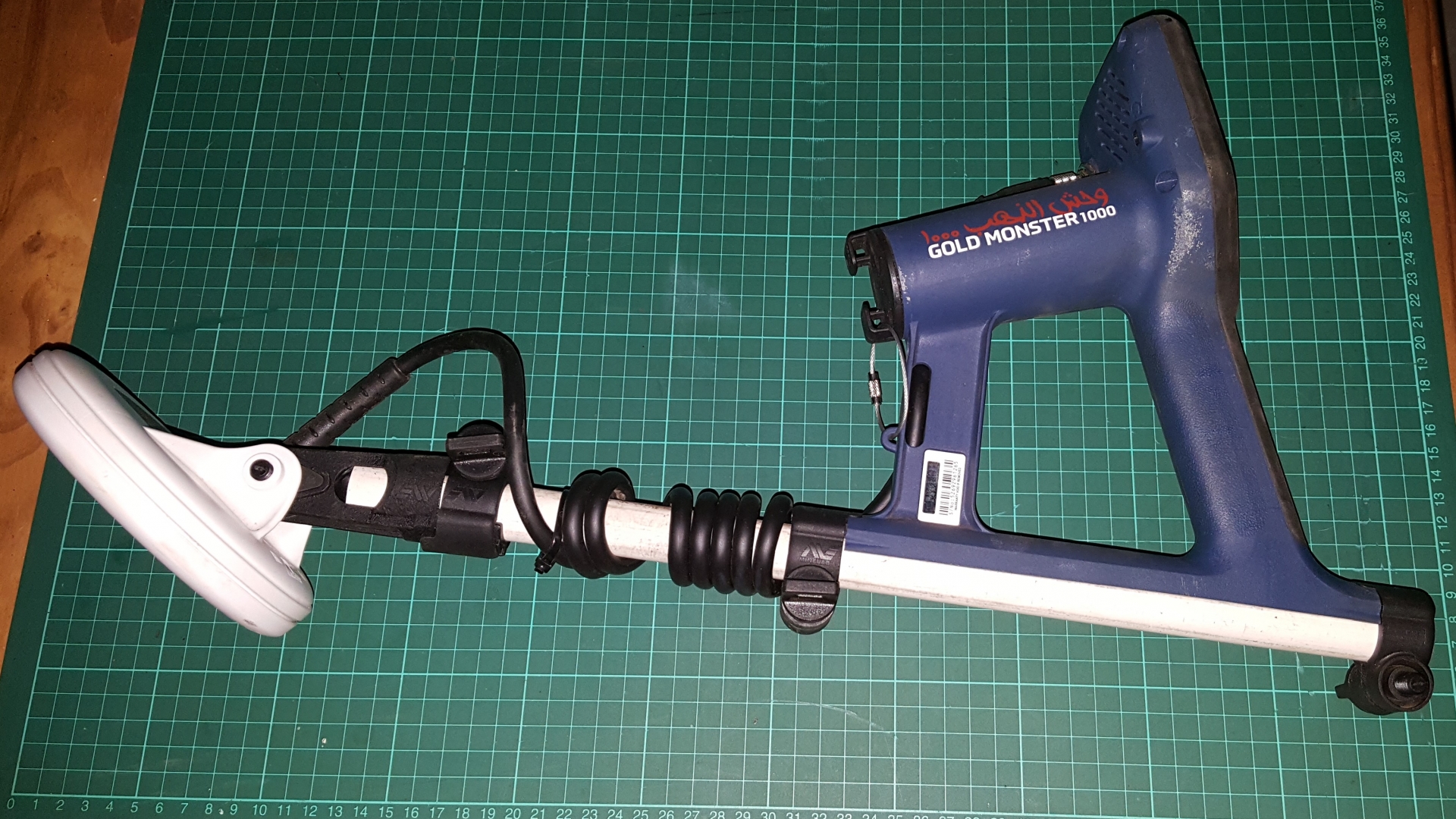
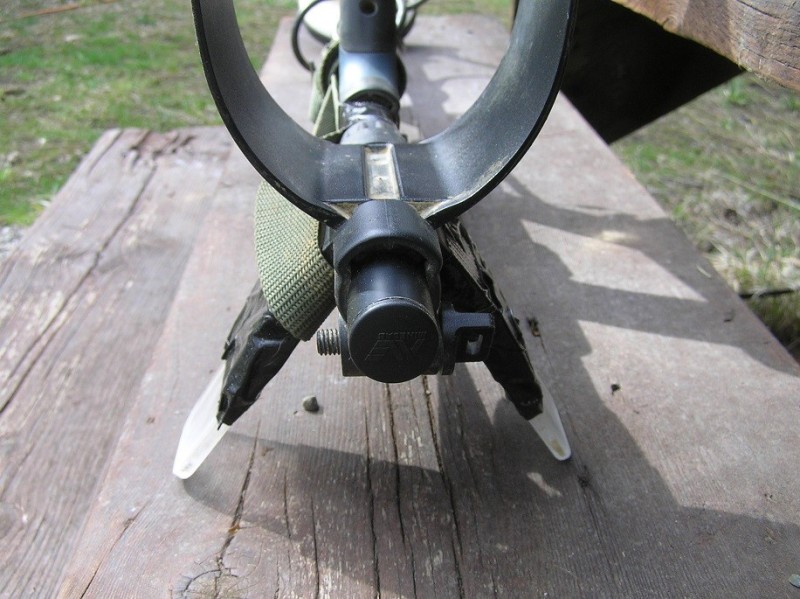
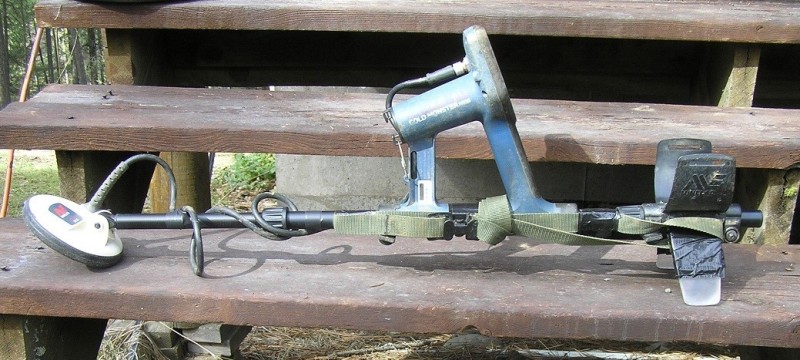
Think I finally got my Monster just where I want it? I've added a Minelab EQ800 shaft and hacksawed some of it off. The shaft will still extend the full length and fits my personal length for normal upright hunting. It will shorten up for PP type purposes and also be able to shorten up for some "jungle" type on my hands and knees super brushy hunting (and I have lots of that to do). Last season I tried a fixed strap with the idea of throwing the Monster over my shoulder as I hunt with the 6. That didn't work too good and the tector would flop around, etc. This time I attached a light weight strap to left side of machine that is adjustable so it can be tightened once I get the machine over the shoulder and basically on my back. This seems to work good and machine is on my back and out of the way. The strap also tucks away real nice when not needed and won't get hung up in the brush when tucked away. The one improvement everybody with a Monster I'm sure can use it is where I extended the stand ears with some plexi-glass and duct tape that adds about 2" width and will help with the way the Monster likes to always fall over. If you don't care for the Oneguy sloppy tape job you can bolt some ears on. The way I like to hunt with the 6 currently is to locate 6-8 targets with bright pink markers, run back and grab the Monster to chase the targets. This works for me because I waste so much precious time PPing a tiny bit with the 6 and 11" coil. It also allows me to take advantage of the ferrous/non ferrous meter on the Monster (big time saver). This is why I tried to add a strap to have the Monster either on my back with me or very close for recovery. Kind of a PITA using 2 machines but it saves ME valuable time/ more gold at the end of the day.... Anyways, I'll know more in a week or two when I get back out in the brush.... Hope somebody can use some of this... Good luck out there guys... bring on season #5 (for me)....
-
Hello everyone. Long time prospector (30+ years) but new to this forum. I'm an expert in the water but having a frustrating time in the desert. I just invested in a GM1000 and looking for advice using it at Gold Basin. I live in Kingman and always looking for buddies/groups to search with too. Thank you in advance.
-
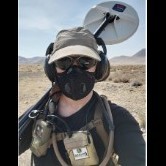
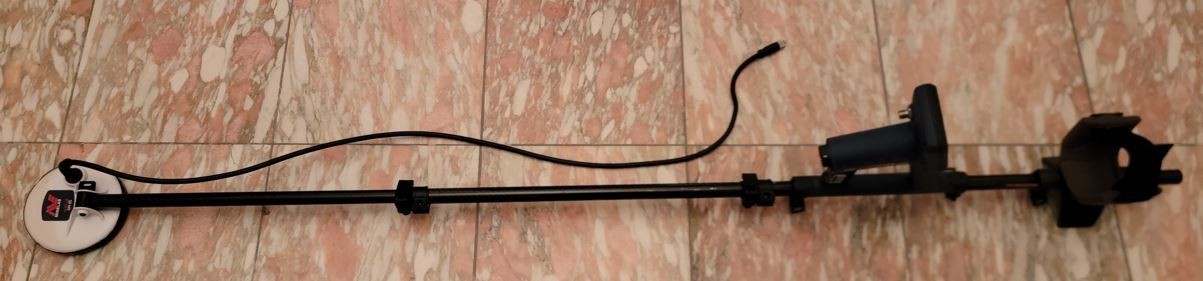
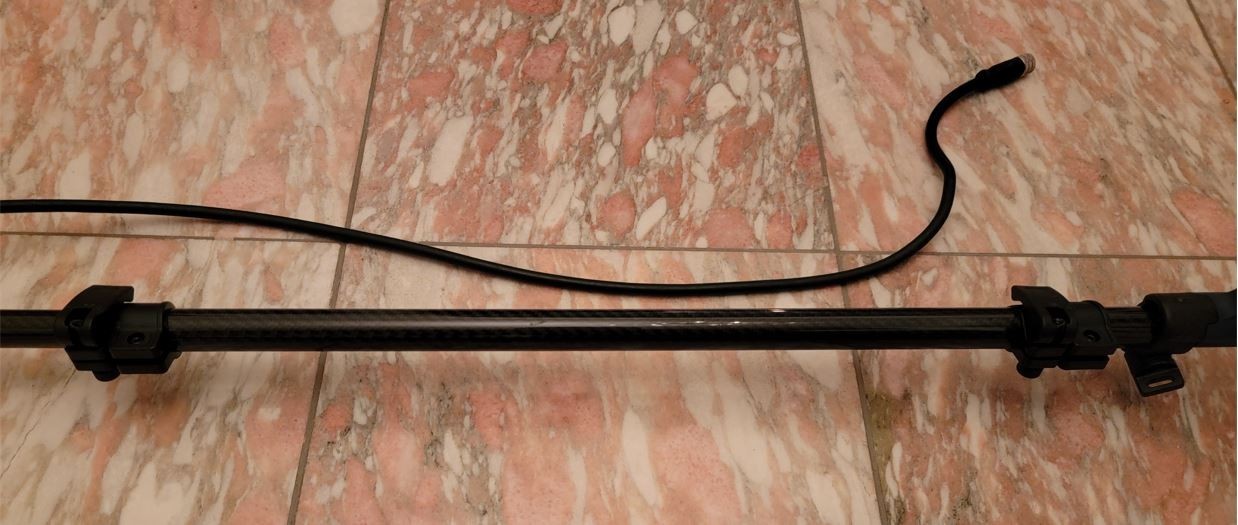
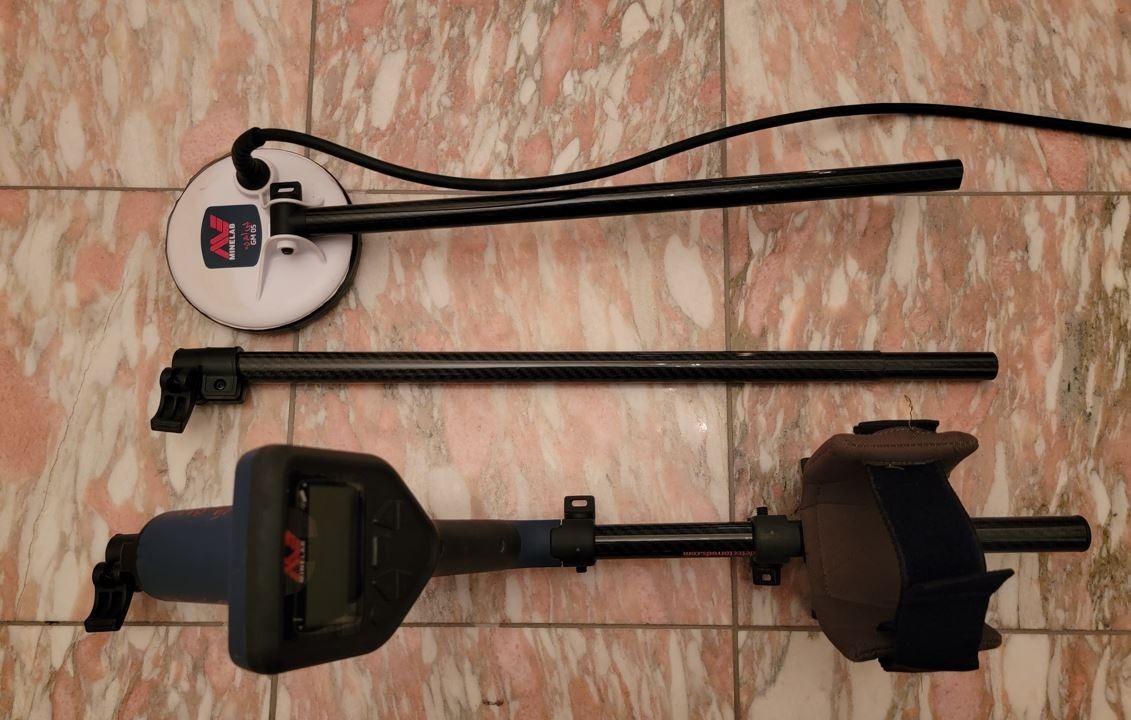
Guys, I just wanted to share with you my new three-piece GM shaft, custom made by "Steve's Detector Rods". Absolutely superb craftmanship with perfect fit and easy assembly. Ideal for backpacking and traveling (longest piece is just 24 inch). The rod is super light (much lighter than the stock rod) but yet very sturdy. The clamps are high quality, something I would love to see on the 6000.... I am very happy with it and can highly recommend it. Steve is also a super nice guy, one of the few guys left who you would say is a true craftsman. http://www.stevesdetectorrods.com/ GC
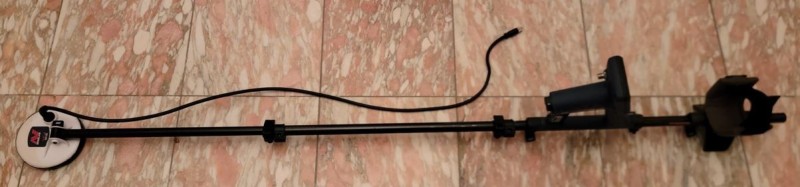
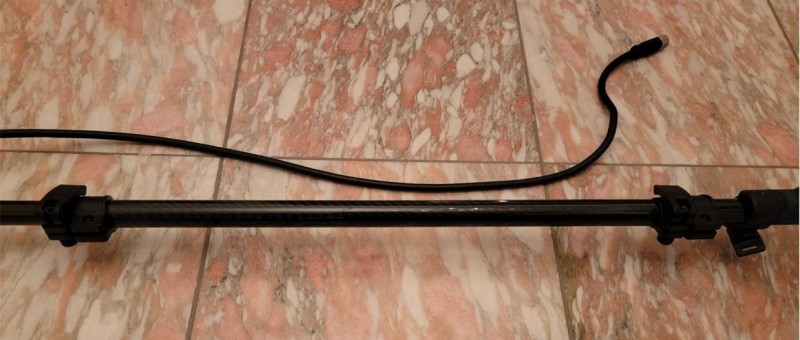
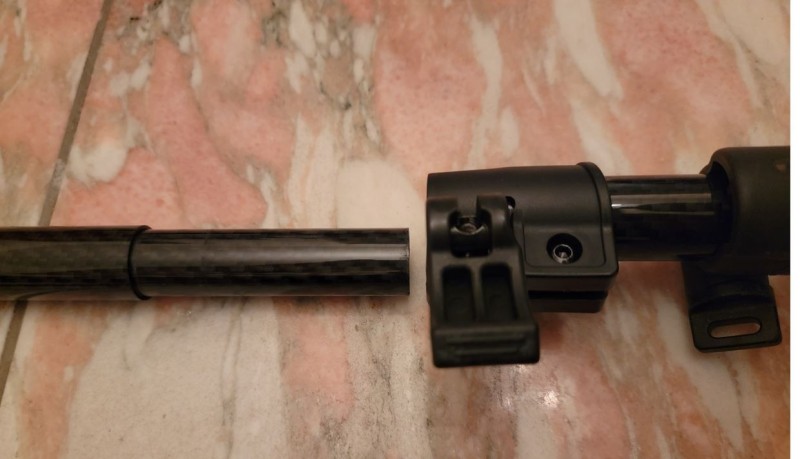
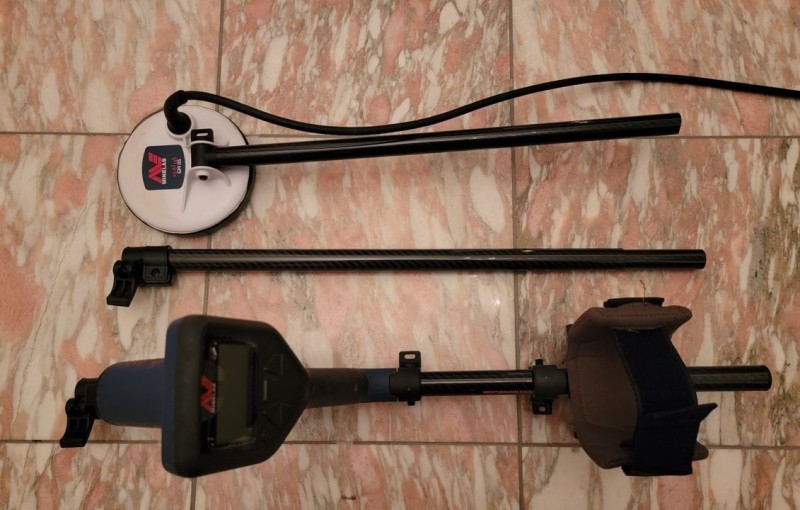
-
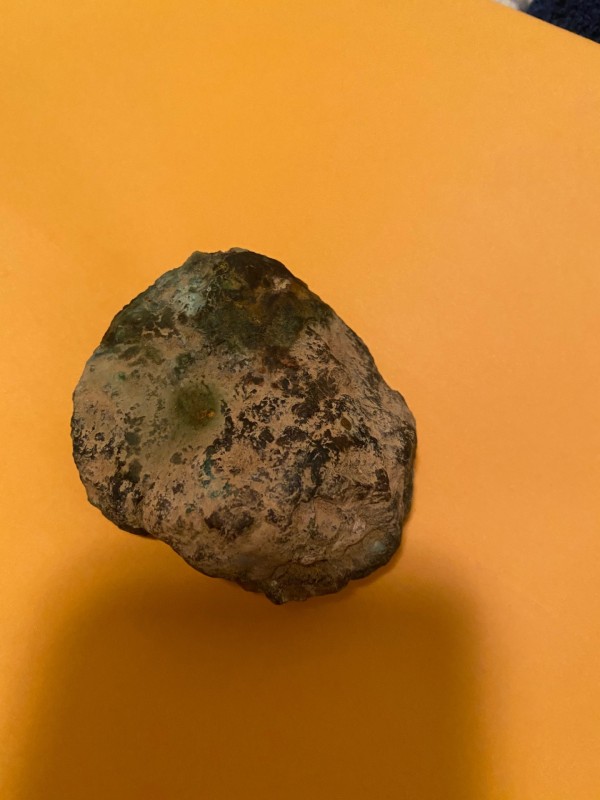
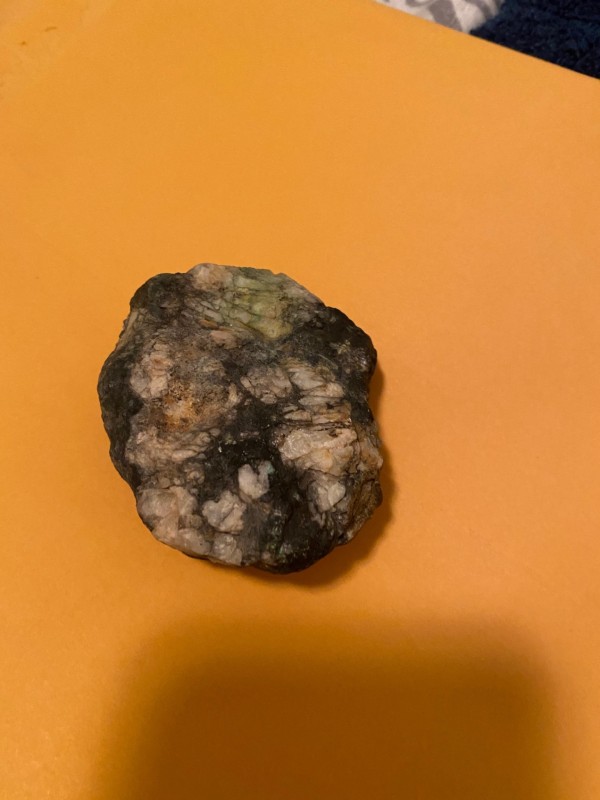
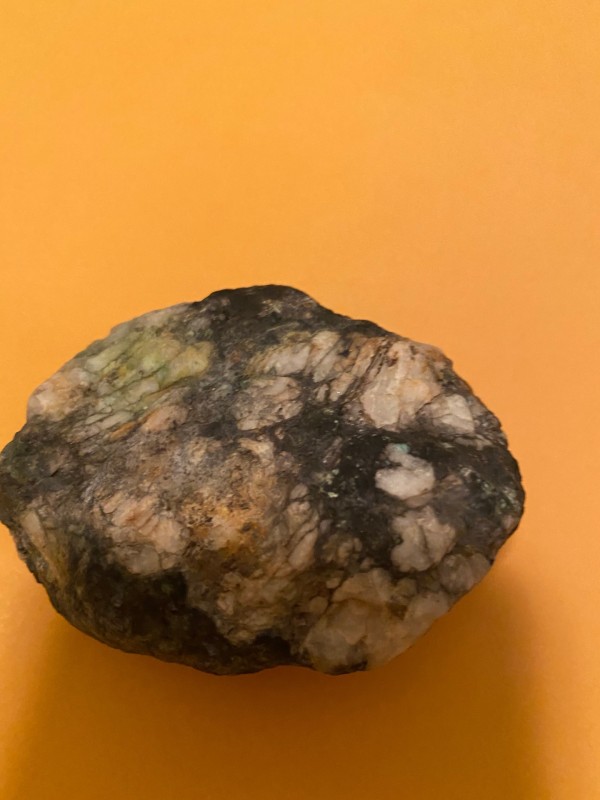
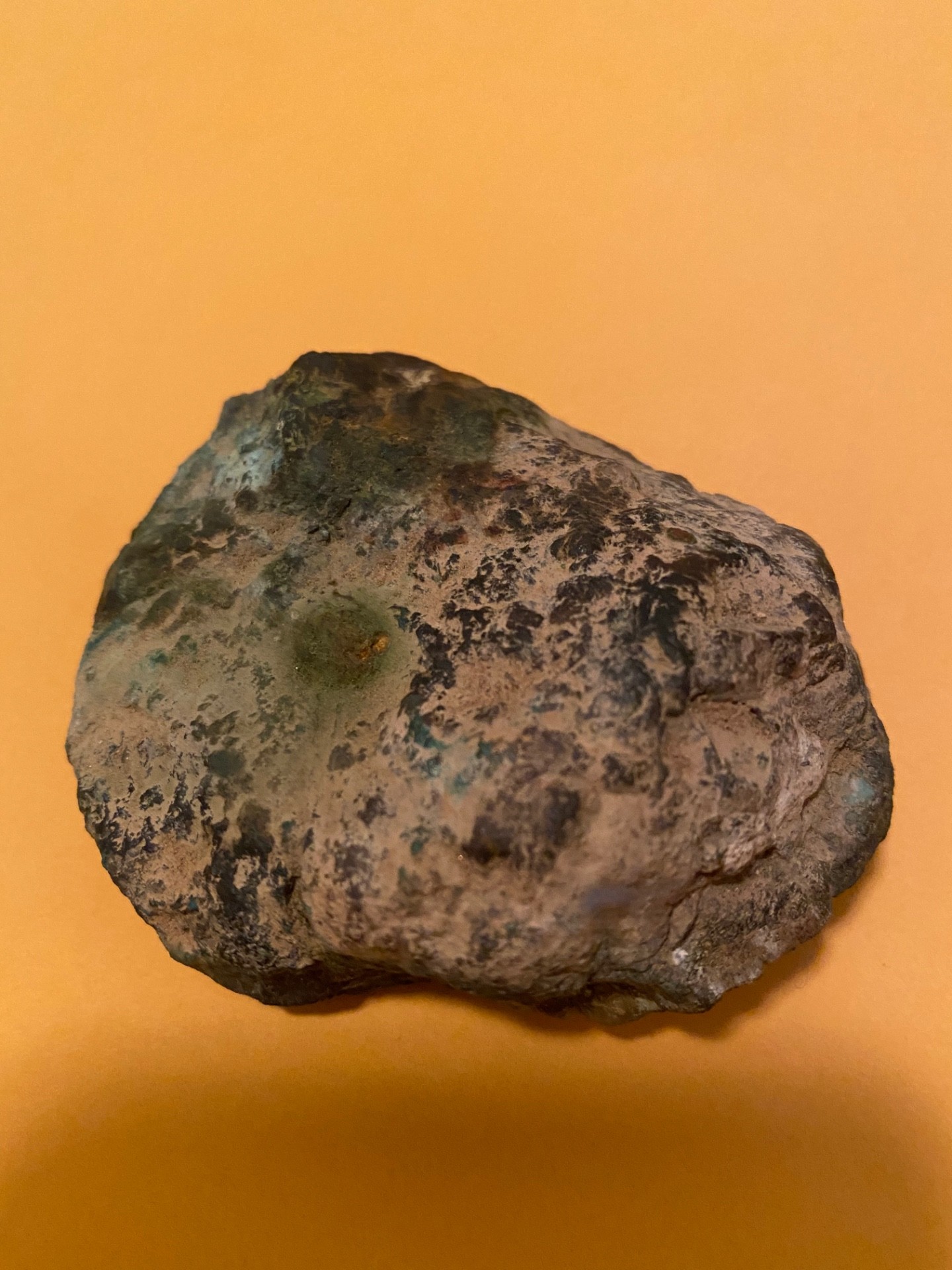
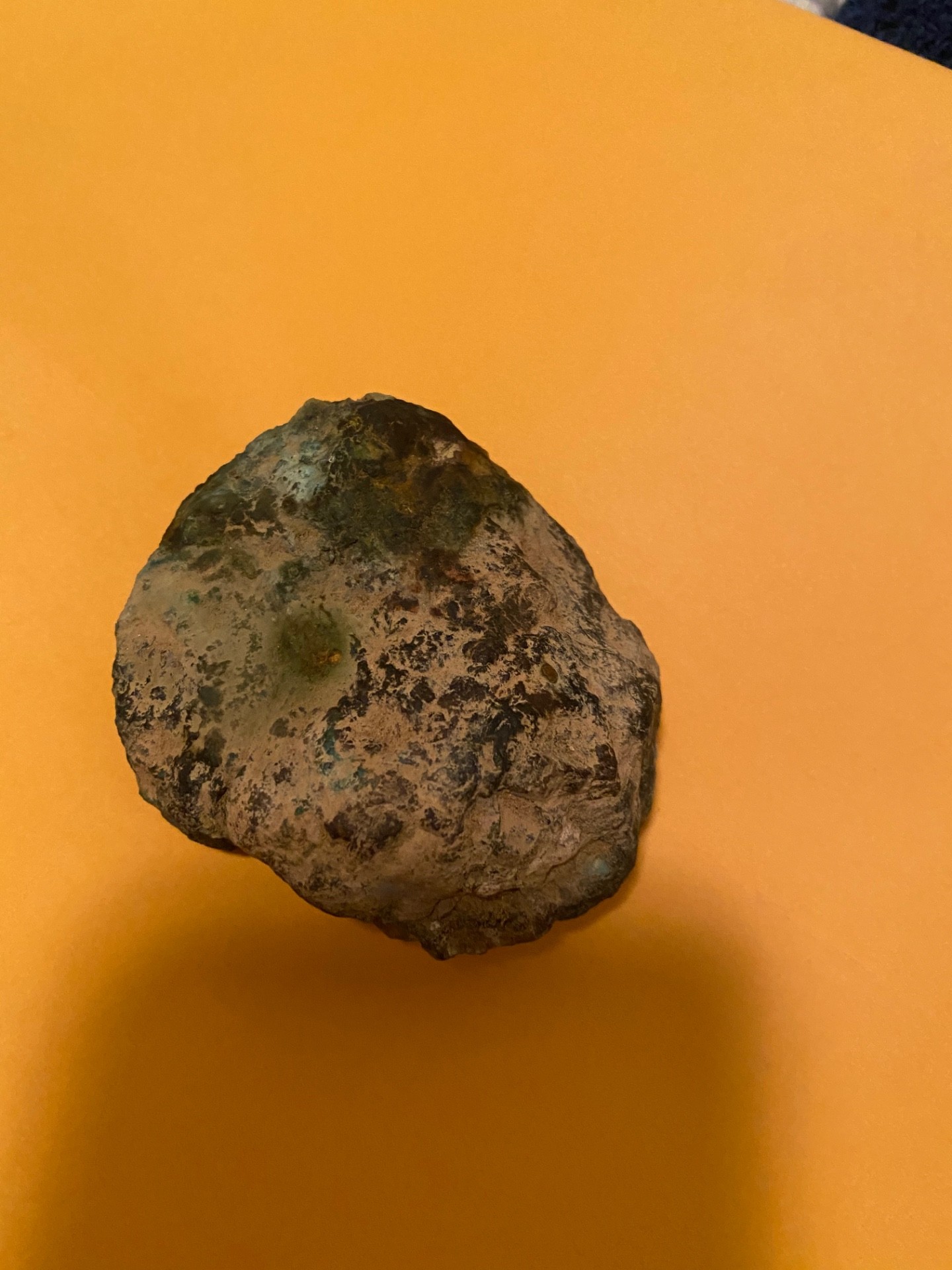
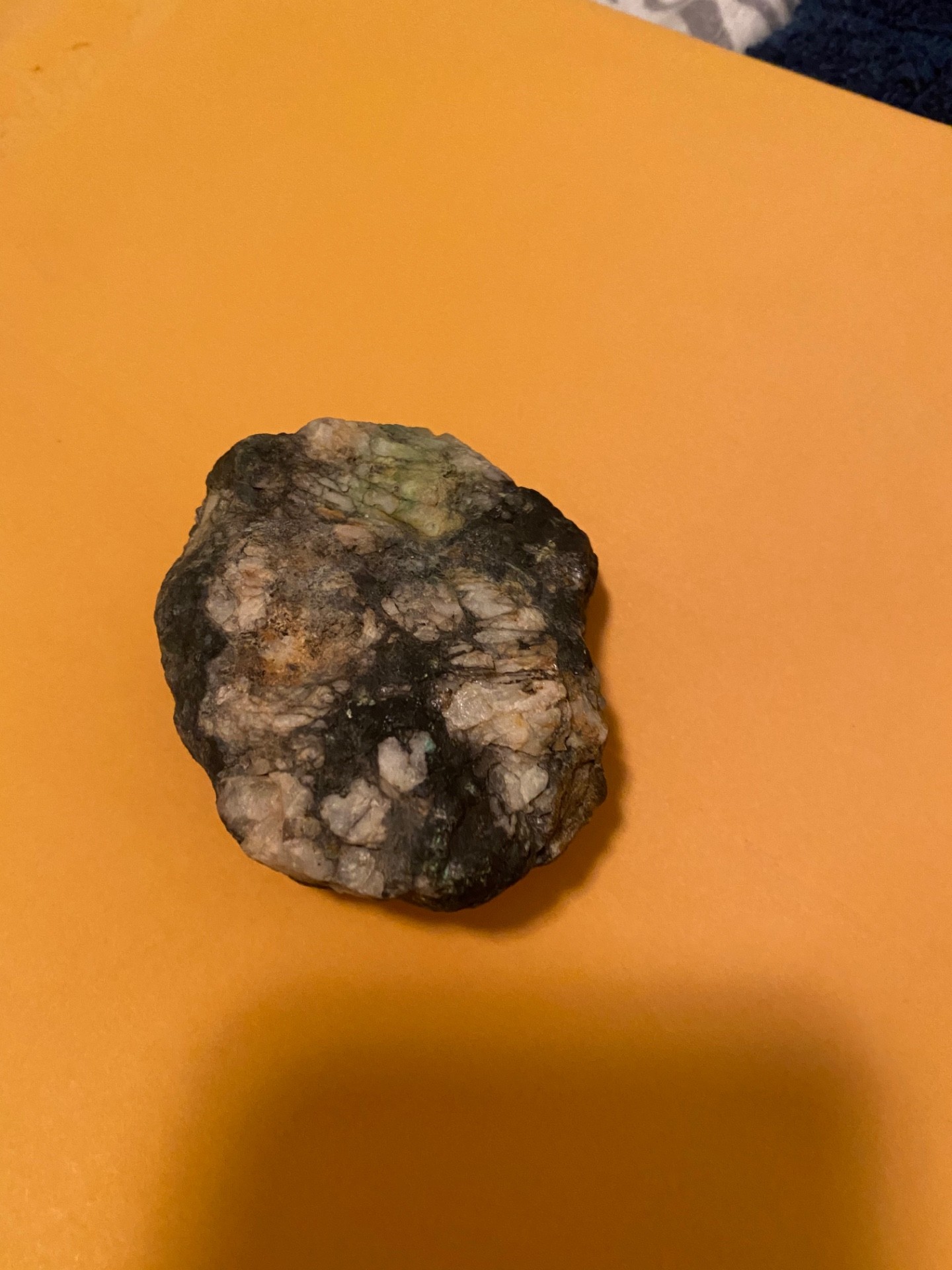
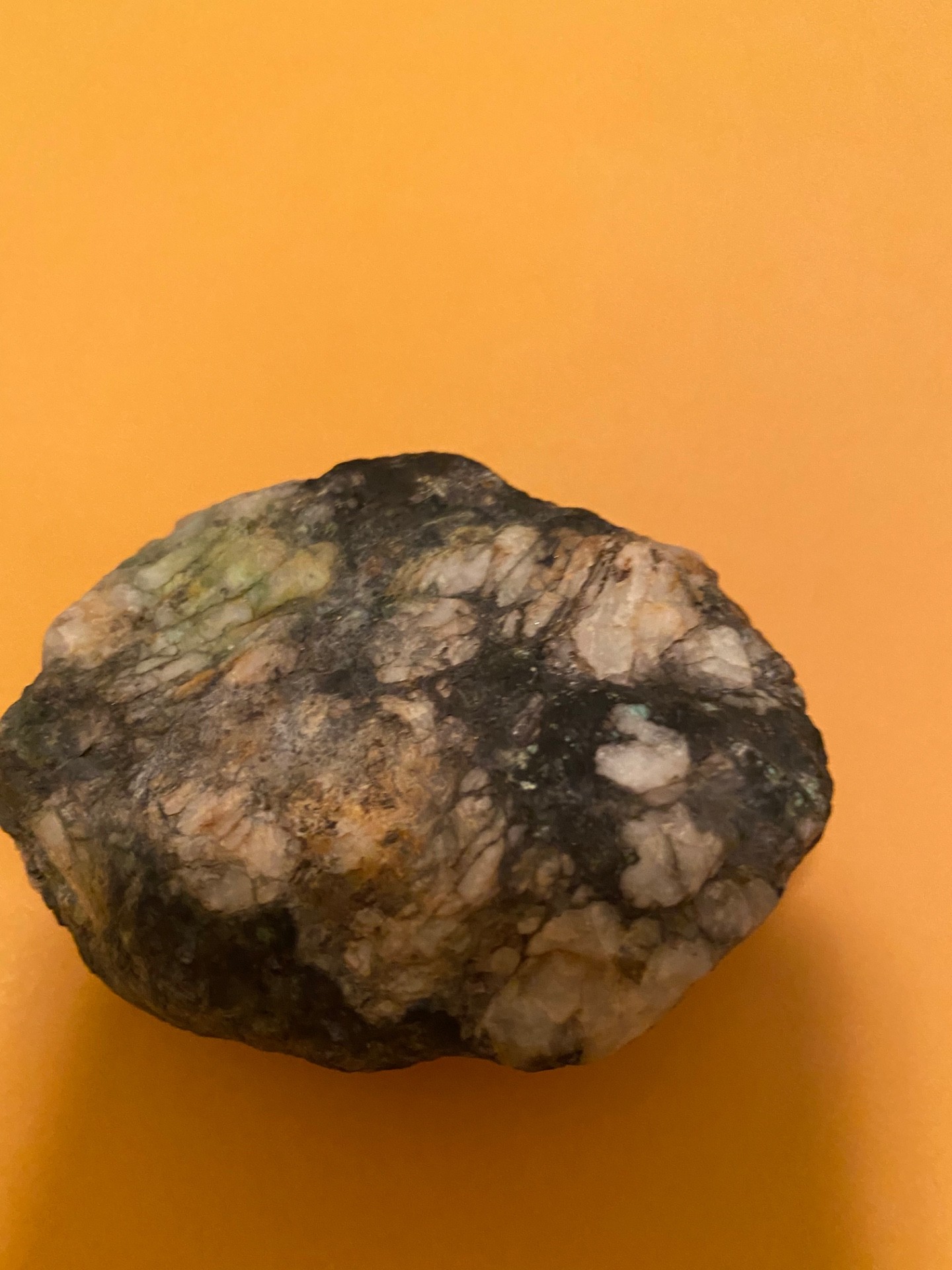
 Hello all was out today in a wash in the hills. With out cropping of rocks. You will think that it is full of iron and quartz. But I have taken my name badge with three magnets and it just falls right off. I have it is salt and conifer right now to clean it. Here are some pictures of it top and bottom. it weighed just under 1IB.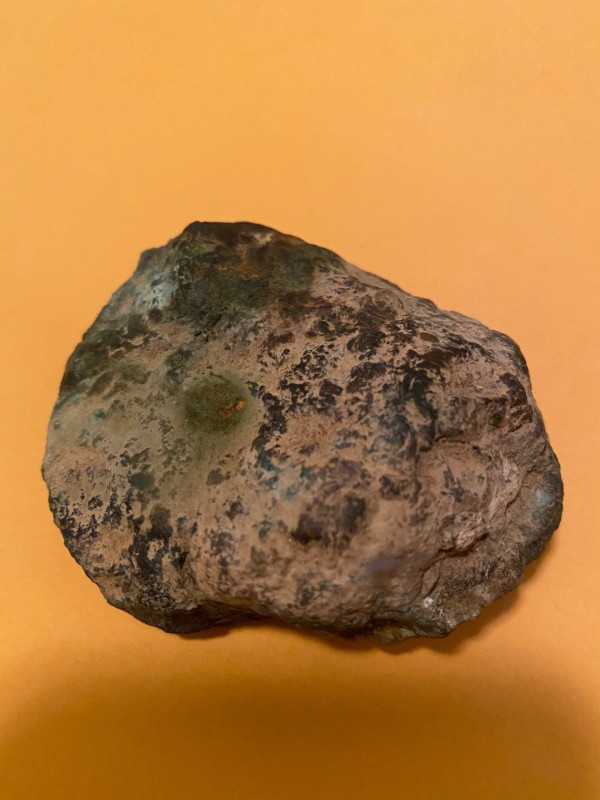
-
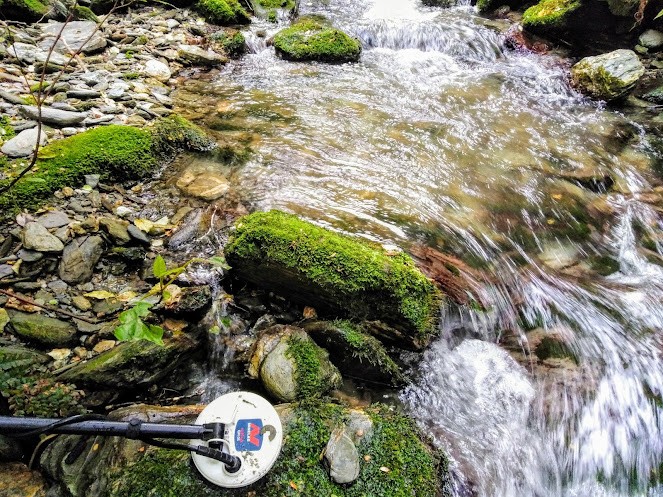
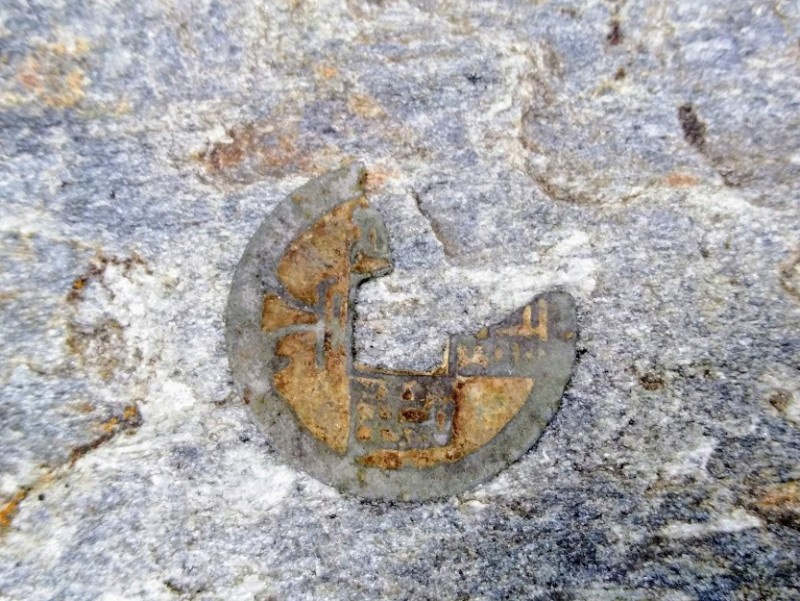
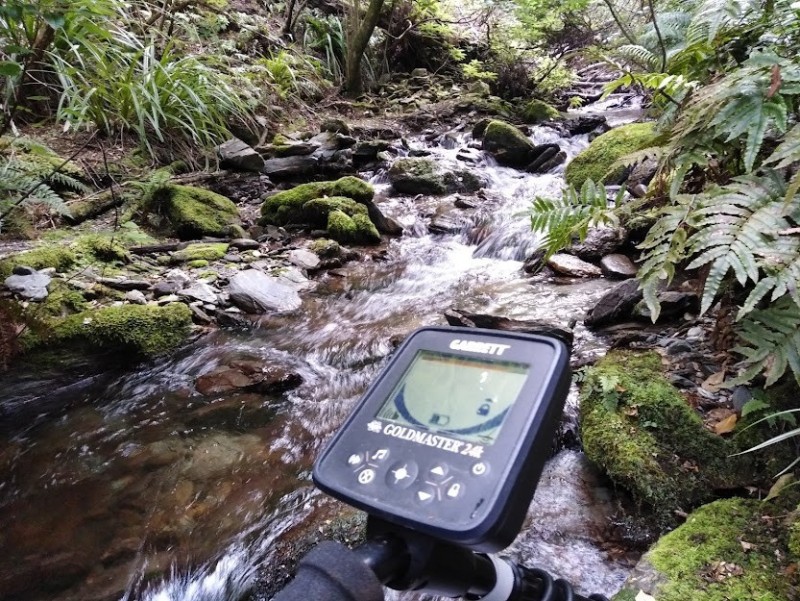
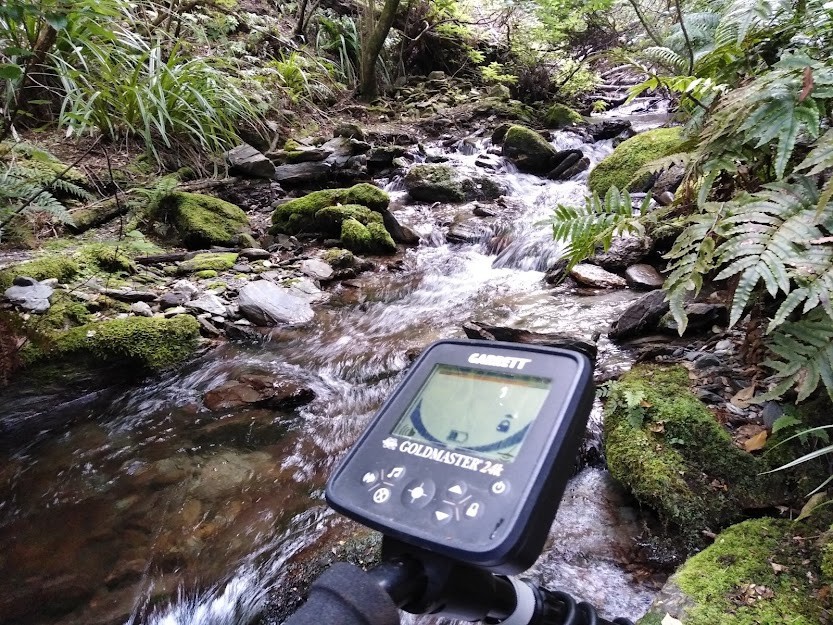
.thumb.JPG.b46839319dc8de4aefe1f42407094dbd.JPG) There is a creek nearby to me that is gold bearing, in fact it's the first place I found nuggets with a detector finding over 2 grams with 6 nuggets on my first venture up the creek. the creek is on a mountainside and it's a public fossicking area which means anyone can go and detect or sluice in it, its set aside by the government for public use. This means it's been done by many people but people miss gold, and new gold gets washed down it during flooding events. The problem I've always had with the creek is the bottom surface of it especially the bedrock is difficult for detectors, they have trouble ground balancing on it, the GM1000 reacts quite badly to it and the many hot rocks in the creek so you spend your day looking at it's screen and gold probability meter trying to work out if one of the thousands of signal you've got are likely to be a bit of gold. The Equinox wasn't much better in all metal it was going off all the time with -8 and -9 and random jumps up to 12 and 13 on the VDI's and you couldn't ground balance it away. The other problem was the GM struggled with it's slow ground tracking and going in and out of the shallow water detecting the creek kept throwing it out and when the coil transitioned from the air to the water the GM screamed, this made it very difficult to detect very shallow water with a rocky bottom as the coil kept having to go in and out of the water. The Nox was a bit better for this and did react going in and out of the water but not near as badly as the GM1000. It is a shame I don't have video of the GM and Nox behaviour in this creek but I'll get some next time I'm nearby and add it to this thread so you can get an idea of what I'm talking about. The Garrett 24k really surprised me, it was able to ground balance out the bedrock easily, it didn't hardly respond at all to any of the hot rocks in the creek once it was balanced, there was only a couple of types of hot rocks that would set it off, I was utterly surprised how well it worked. It made a small transition noise when it went from air to water similar to the other detectors, but nowhere near as severe as the Gold Monster and it wasn't at all distracting and handled the shallow water transitions perfectly fine, it wasn't a problem at all. I love the 24k's ability to lock the ground balance, this is something the Gold Monster is missing and it's something that's just so vital in a situation like at this creek. It's something the Monster would really benefit from having. This was the same creek a couple of years ago I found a very old Chinese coin I suspected a Gold Miner lost, the coin is far older than the habitation of NZ though so it was likely something he/she wore around their neck on a string and it broke. This is the Chinese coin, unfortunately it was broken, I suspect this is why it was lost. It was found under a small waterfall. Now, back to the 24k, I was so happy with it's performance but unfortunately I didn't find any gold on the day, the creek is very wild and it was too difficult to get far up it due to trees falling down over the creek and when the slope increases it's difficult to bypass the creek by going up the sides as they get very steep, so I was limited to detecting the very lower area of the creek which is the bit that's detected the most due to easier access. I'm going to have to work out a way to get higher up the creek without following the creek up but it's very dense steep forest either side of it. This is the lower end of the creek where I was able to detect before it gets steep. And the video if it working well, I was so pleased as the 24k is going to open up opportunities, this is probably why Nugget Hunter NZ who found the massive nugget in a creek a few years ago on the West Coast of NZ raved out the Whites 24k, as I'd imagine the creeks he was detecting had similar bedrock and hot rocks to this creek. Having absolutely no bump sensitivity with the 24k coils is a massive bonus detecting a creek like this, both the Equinox and the Gold Monster have bump sensitivity, the 24k I'm running with the sensitivity maxed out and nothing, no bump sensitivity at all, fantastic.
There is a creek nearby to me that is gold bearing, in fact it's the first place I found nuggets with a detector finding over 2 grams with 6 nuggets on my first venture up the creek. the creek is on a mountainside and it's a public fossicking area which means anyone can go and detect or sluice in it, its set aside by the government for public use. This means it's been done by many people but people miss gold, and new gold gets washed down it during flooding events. The problem I've always had with the creek is the bottom surface of it especially the bedrock is difficult for detectors, they have trouble ground balancing on it, the GM1000 reacts quite badly to it and the many hot rocks in the creek so you spend your day looking at it's screen and gold probability meter trying to work out if one of the thousands of signal you've got are likely to be a bit of gold. The Equinox wasn't much better in all metal it was going off all the time with -8 and -9 and random jumps up to 12 and 13 on the VDI's and you couldn't ground balance it away. The other problem was the GM struggled with it's slow ground tracking and going in and out of the shallow water detecting the creek kept throwing it out and when the coil transitioned from the air to the water the GM screamed, this made it very difficult to detect very shallow water with a rocky bottom as the coil kept having to go in and out of the water. The Nox was a bit better for this and did react going in and out of the water but not near as badly as the GM1000. It is a shame I don't have video of the GM and Nox behaviour in this creek but I'll get some next time I'm nearby and add it to this thread so you can get an idea of what I'm talking about. The Garrett 24k really surprised me, it was able to ground balance out the bedrock easily, it didn't hardly respond at all to any of the hot rocks in the creek once it was balanced, there was only a couple of types of hot rocks that would set it off, I was utterly surprised how well it worked. It made a small transition noise when it went from air to water similar to the other detectors, but nowhere near as severe as the Gold Monster and it wasn't at all distracting and handled the shallow water transitions perfectly fine, it wasn't a problem at all. I love the 24k's ability to lock the ground balance, this is something the Gold Monster is missing and it's something that's just so vital in a situation like at this creek. It's something the Monster would really benefit from having. This was the same creek a couple of years ago I found a very old Chinese coin I suspected a Gold Miner lost, the coin is far older than the habitation of NZ though so it was likely something he/she wore around their neck on a string and it broke. This is the Chinese coin, unfortunately it was broken, I suspect this is why it was lost. It was found under a small waterfall. Now, back to the 24k, I was so happy with it's performance but unfortunately I didn't find any gold on the day, the creek is very wild and it was too difficult to get far up it due to trees falling down over the creek and when the slope increases it's difficult to bypass the creek by going up the sides as they get very steep, so I was limited to detecting the very lower area of the creek which is the bit that's detected the most due to easier access. I'm going to have to work out a way to get higher up the creek without following the creek up but it's very dense steep forest either side of it. This is the lower end of the creek where I was able to detect before it gets steep. And the video if it working well, I was so pleased as the 24k is going to open up opportunities, this is probably why Nugget Hunter NZ who found the massive nugget in a creek a few years ago on the West Coast of NZ raved out the Whites 24k, as I'd imagine the creeks he was detecting had similar bedrock and hot rocks to this creek. Having absolutely no bump sensitivity with the 24k coils is a massive bonus detecting a creek like this, both the Equinox and the Gold Monster have bump sensitivity, the 24k I'm running with the sensitivity maxed out and nothing, no bump sensitivity at all, fantastic.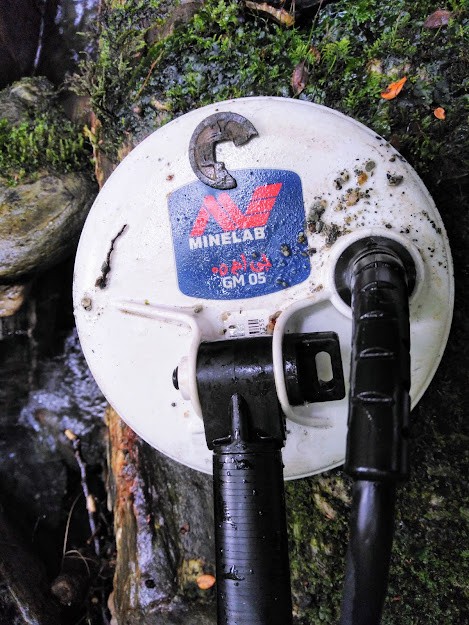
- 32 replies
-
- 14
-
-

-
- minelab gold monster
- 24k gmx
- (and 1 more)
-
I had so many incredible responses to my first post that it made perfect sense togo back to the well and run this by you all. With my DMX in it's later years another detector is will be in my future. I've been researching a number of sources including YouTube hoping to narrow down my choices. Considering finances.... to date I have settled on 2 detectors. The Gold Monster 1000 and the Equinox 800. Both are in the same price range....both get good reviews and I see them producing nice finds. The operation of both seem relatively learnable and so far I am finding no negative reviews. I do question some of the YouTube posters for one reason......it seems the reputable posters have allegiance and financial deals with manufacturers. Again it's my goal to keep the cost down for now while I learn as much as possible about the art of proficient detecting using my Gold Bug 2. Once I'm comfortable with where I am I will consider a higher end detector. I can manufacture a few more AR's and sell those to fund my next purchase. That's where users of these units come in to play. Will someone detail your real world reviews of these detectors? I trust this forum won't steer me wrong. Thanks in advance!
-
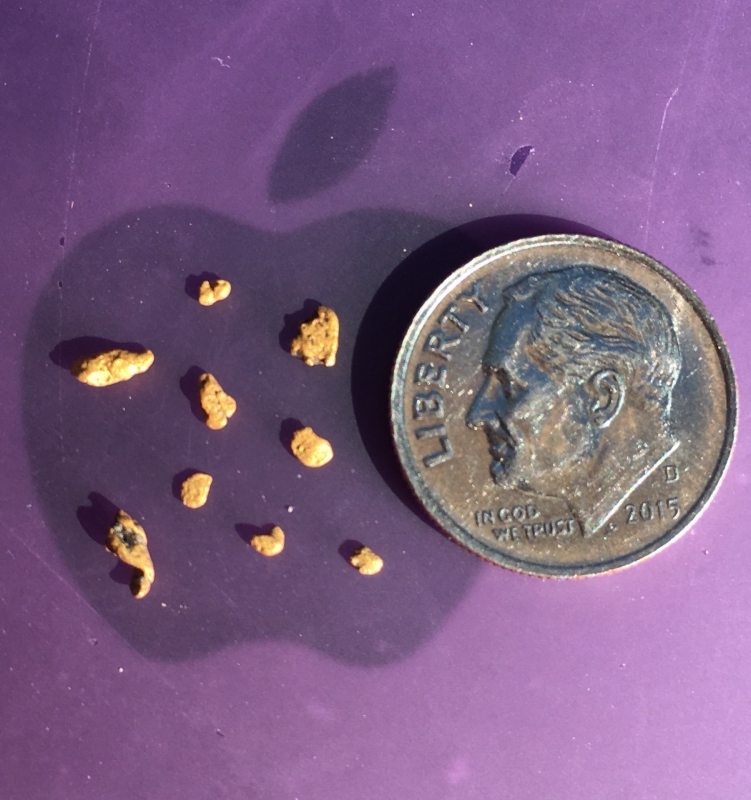
Picked up my GM1000 from Gerry on Friday, then after doing chores up at the cabin got it out yesterday and today. Used the larger coil for scouting out a new spot and after a couple hours of no decent targets yesterday, went over the same area with my GB2. Still nothing, so at least I didn't miss anything in that area, but I wasn't real comfortable with the Monster yet. So today, after yacking with VA Nurse Paul last night and Scott T today...both singing its praises, I put the small coil on it and went to my "old reliable" bench to see if I could squeak out another baby nugget. Moved rocks and dug up some sagebrush....initially hunting with trusty GB2 to get a target, then compare it with the Monster. Wow, it could hear the Fly-poo AU I find up there, and the disc was pretty reliable! I found 3 pieces using the GB2 first, then once I was more comfortable with how the Monster responds, it sniffed out 6 more! I noticed on some "iffy" signals that the Goldbug heard, the Monster picked them up a bit better. I was using manual 10 sensitivity and All Metal/deep, and as others have mentioned, it does false if you hit a rock etc. Not using headphones and having no threshold hum was actually nice for a change too. Pretty cool machine....tomorrow I'm going to hit the hard rock gravels and see how it does. :-)
-
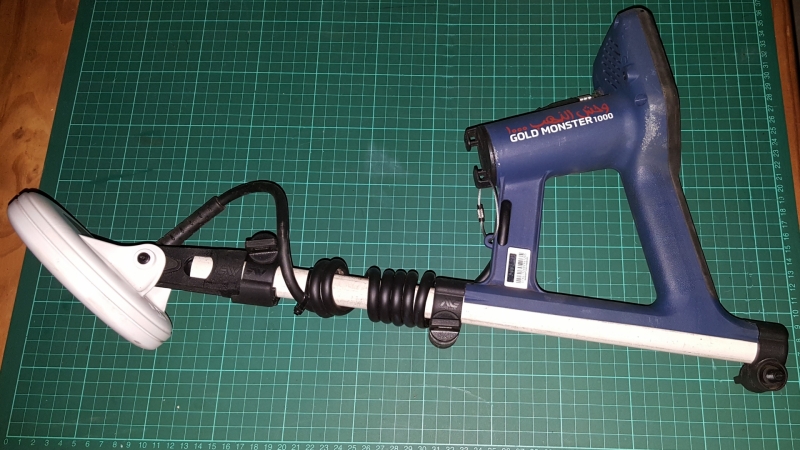
Phrunt... My 6 is headed my way on the big brown truck and the heat will have me sidelined for at least a week. So with the 6 showing up during the heat wave I'll be sitting out I've decided to shorten up the Monster like you did and retire it temporally as a PP'er for the 6. Question is this....does all the wire wrapping that close to the 5" coil cause you any problems or make the Monster react any different? Thanks!!!!
-
Found the pinpointer is not up to it, gave the Deus a go but it interfered (coil being on seeking RC) with the Z now will the Monster save digging those Z19 holes so big.
-
I’m heading up to Georgetown gold fields, in North Queensland Australia soon. Do not want to get into the new GPX 6000 or GPZ 7000 yet and besides that I do not live close to a gold region. I currently own a CTX 3030. I know that the Monster is not in the same league as the more expensive units but at just over $1,000 it is an option to purchase. But my thoughts are that the CTX I already own may do pretty much the same as the Monster, plus it has discrimination ability. Could someone please enlighten me. Thanks.
-
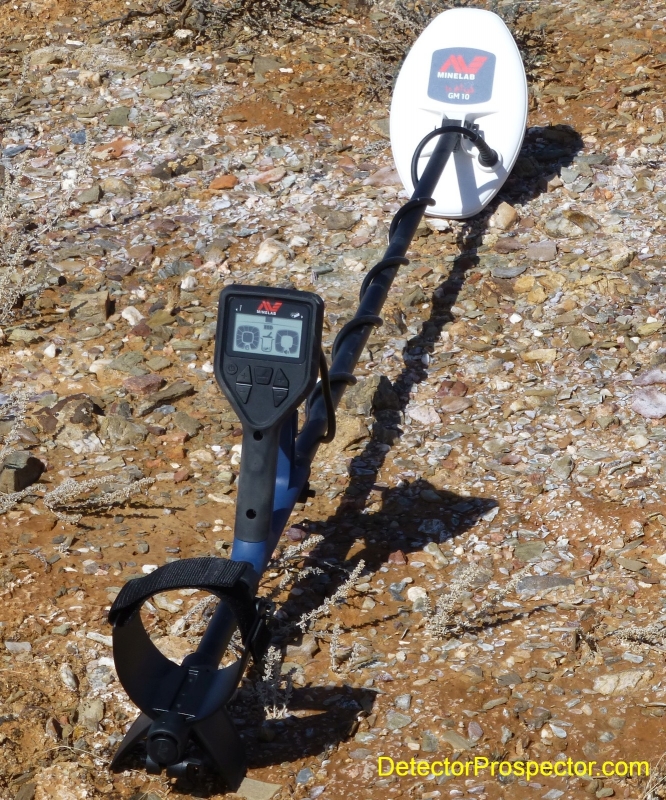
The only ML offering I can honestly say was junk is the GM1000. Owned one for a month and that was a month too long. I was way better off keeping my GB2. So glad I upgraded to the 24K. Cant wait to try the 6000 though!
-
I heard from a buddy that Minelab was discontinuing this model. I hope it's not true! I also heard from another buddy that they are no longer going to make single frequency Gold Machines. I know rumors are what they are but wanted to reach out anyway. Thanks! Walt
-
 The original Minelab Gold Monster design simply always ground tracked. You start using it, and it is ground balancing all the time. However, if the mineralization changes a lot, it was a little slow to react. So they added this ability to put it in quick balance mode. Long press the Detect Mode button, the coil symbol flashes, and for a few seconds the ground balance speeds up. Basically it is just a ground grab button. Bill Southern talks about this new function in this video. Like Bill says in the video, most people might never use it,and sure no reason to buy a new machine. It’s a small time saver, nothing more. I’m curious, for those that even know about this, are you actually using it?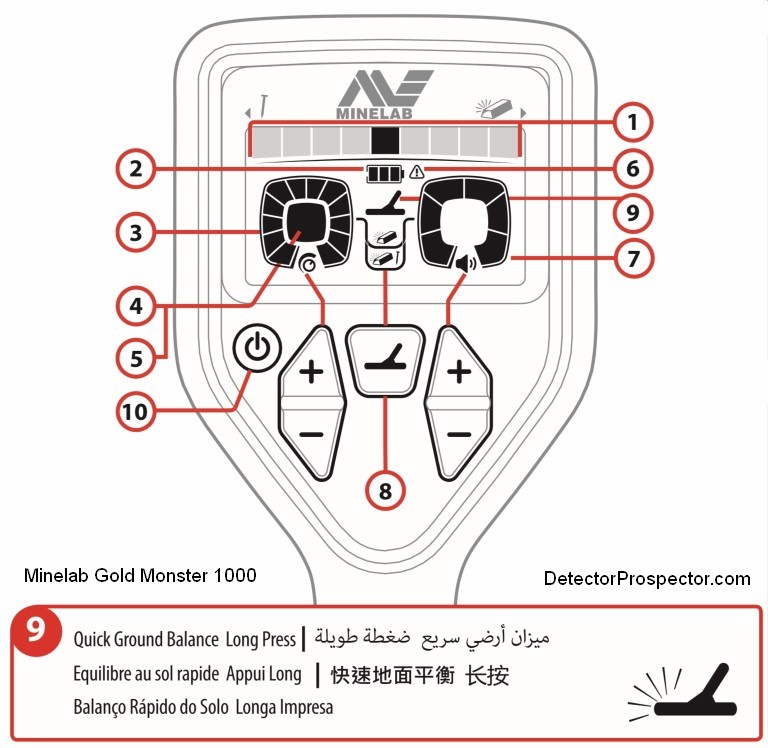
-
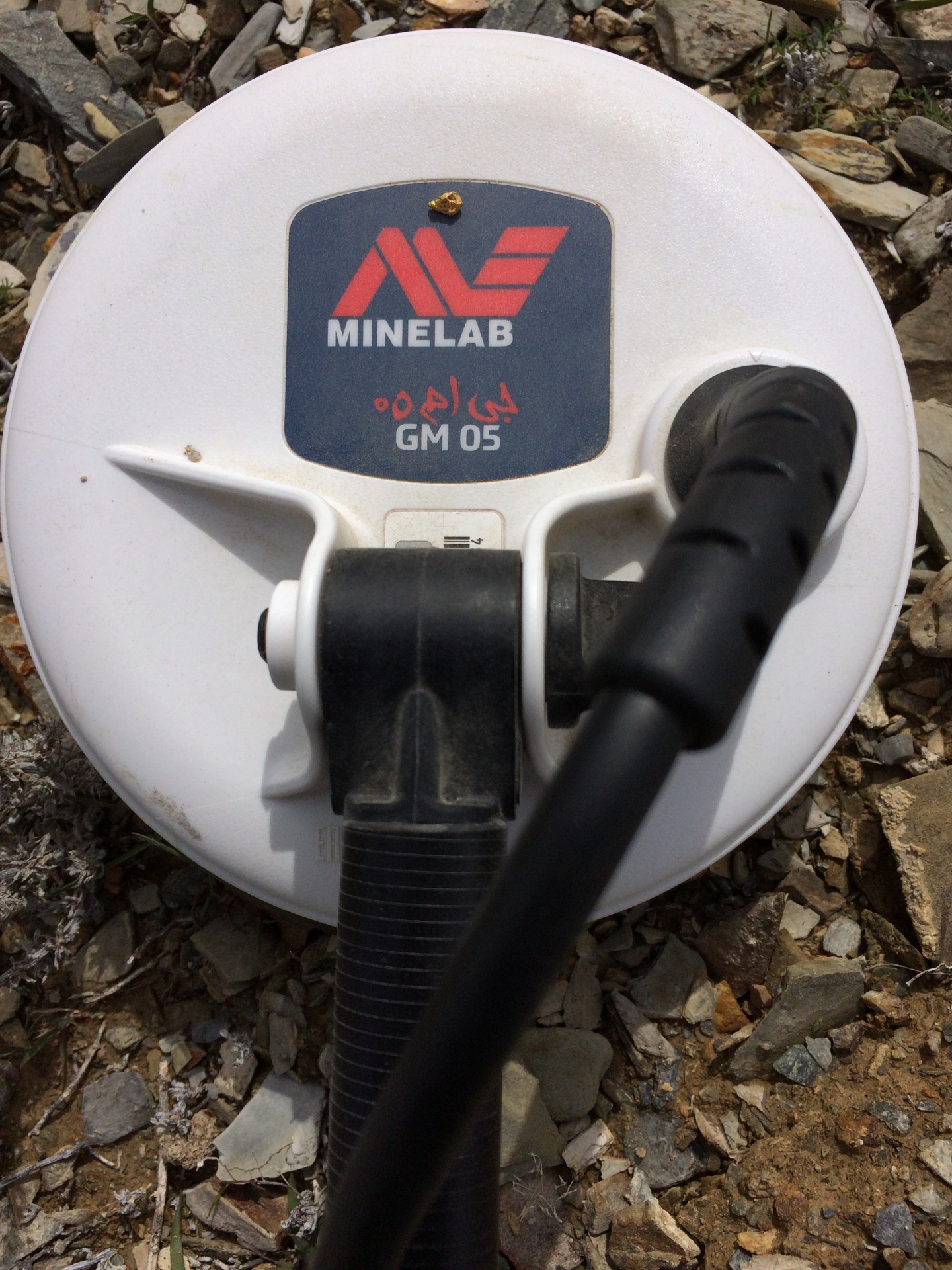
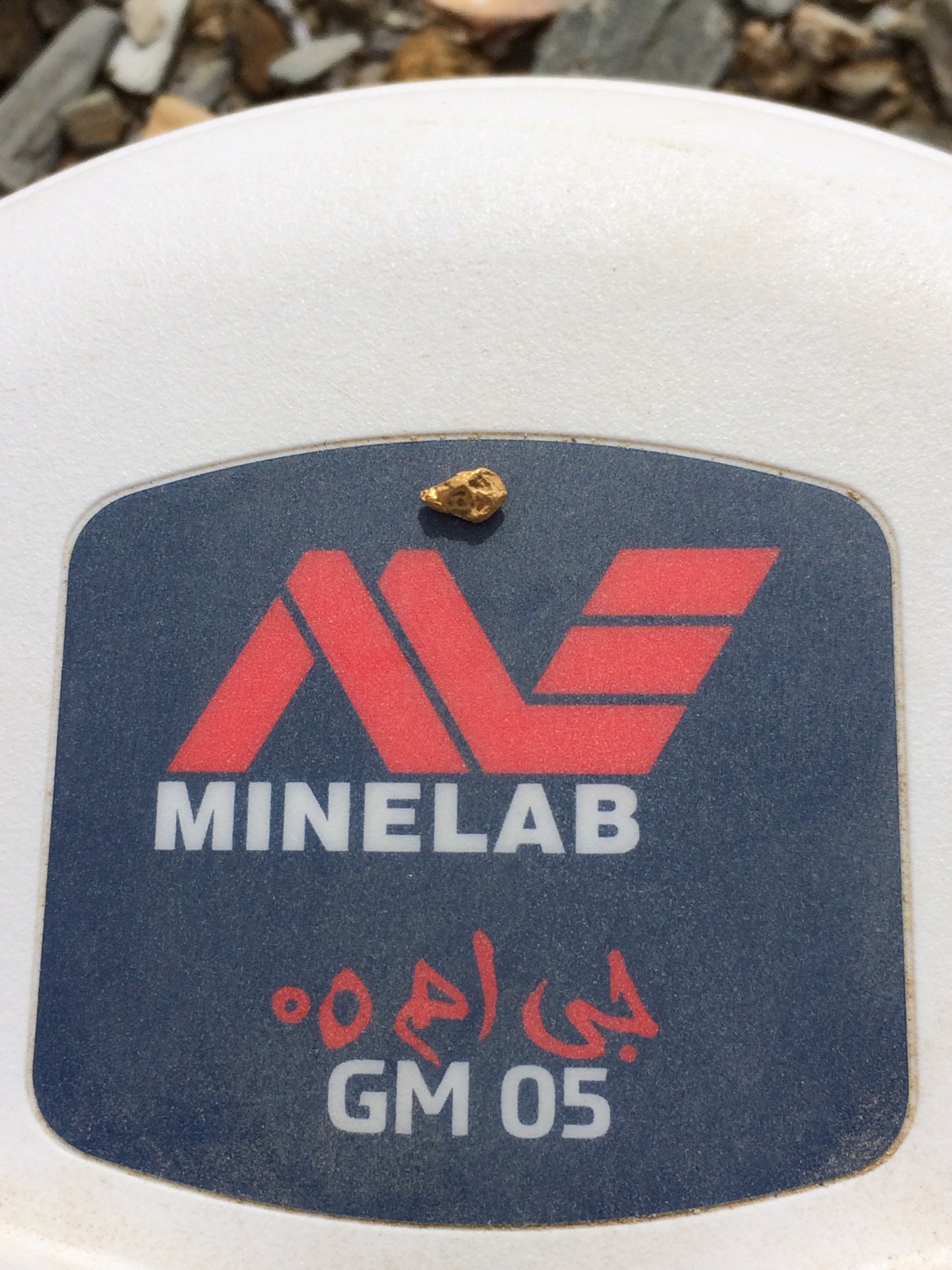
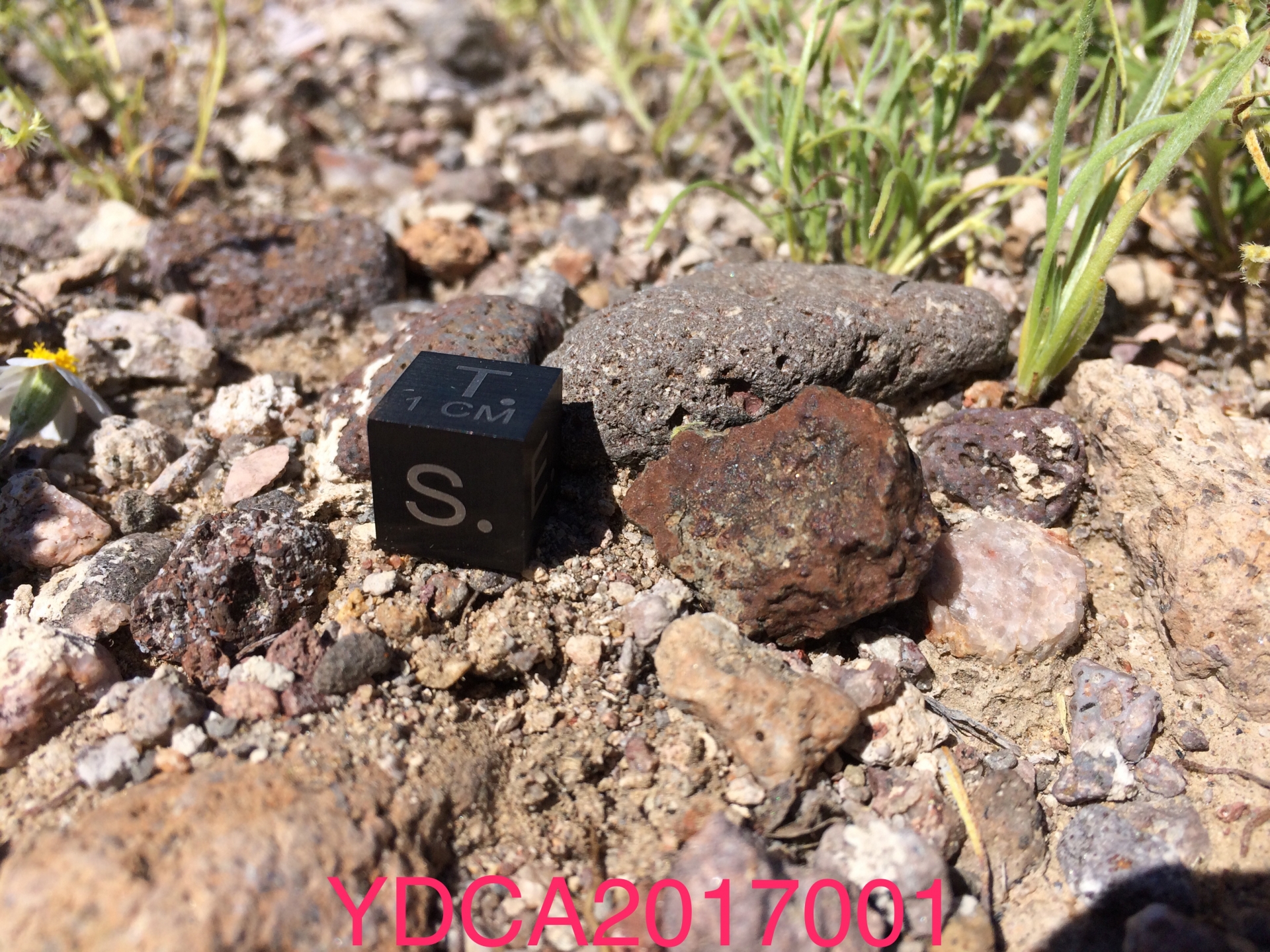
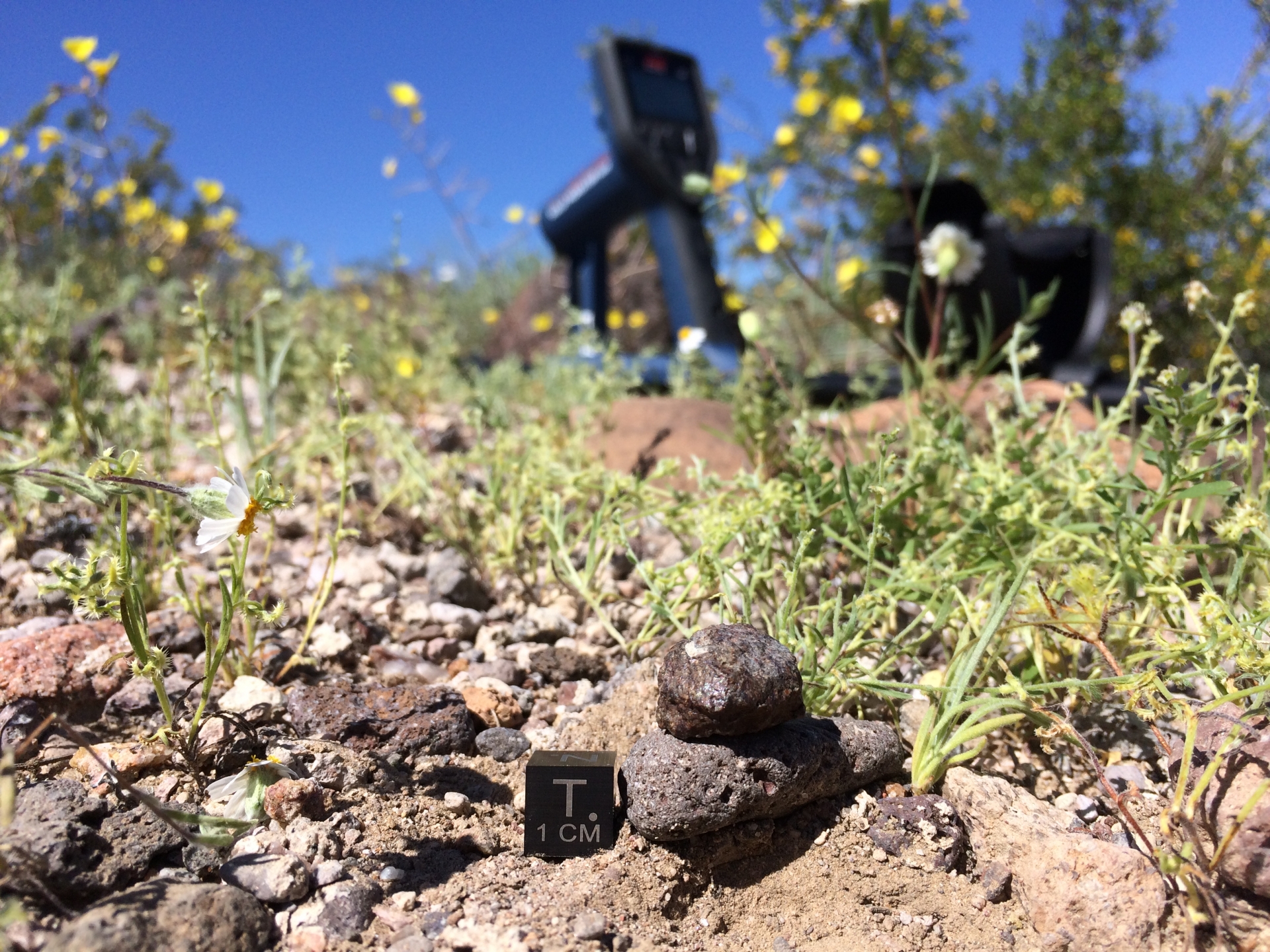
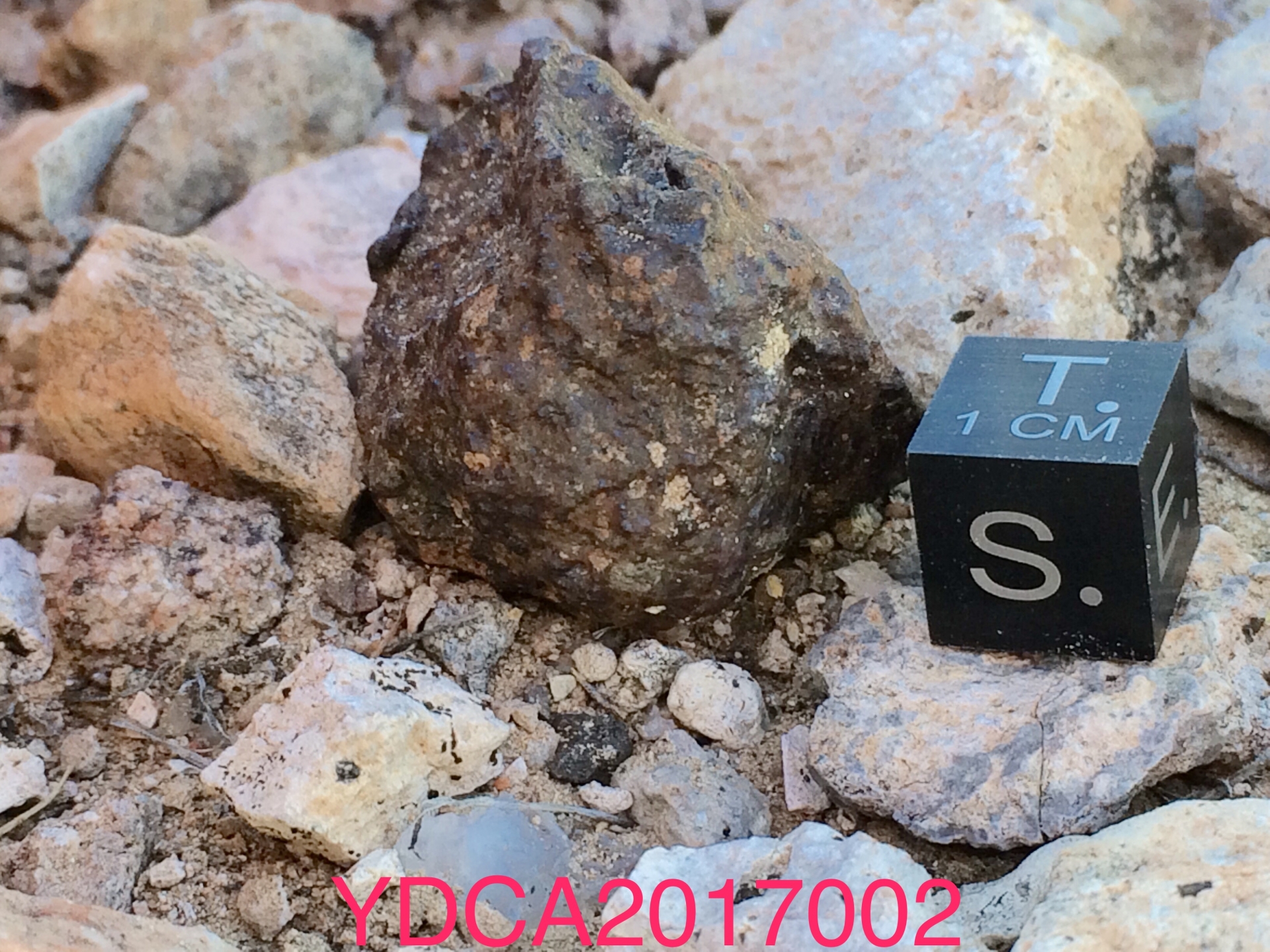
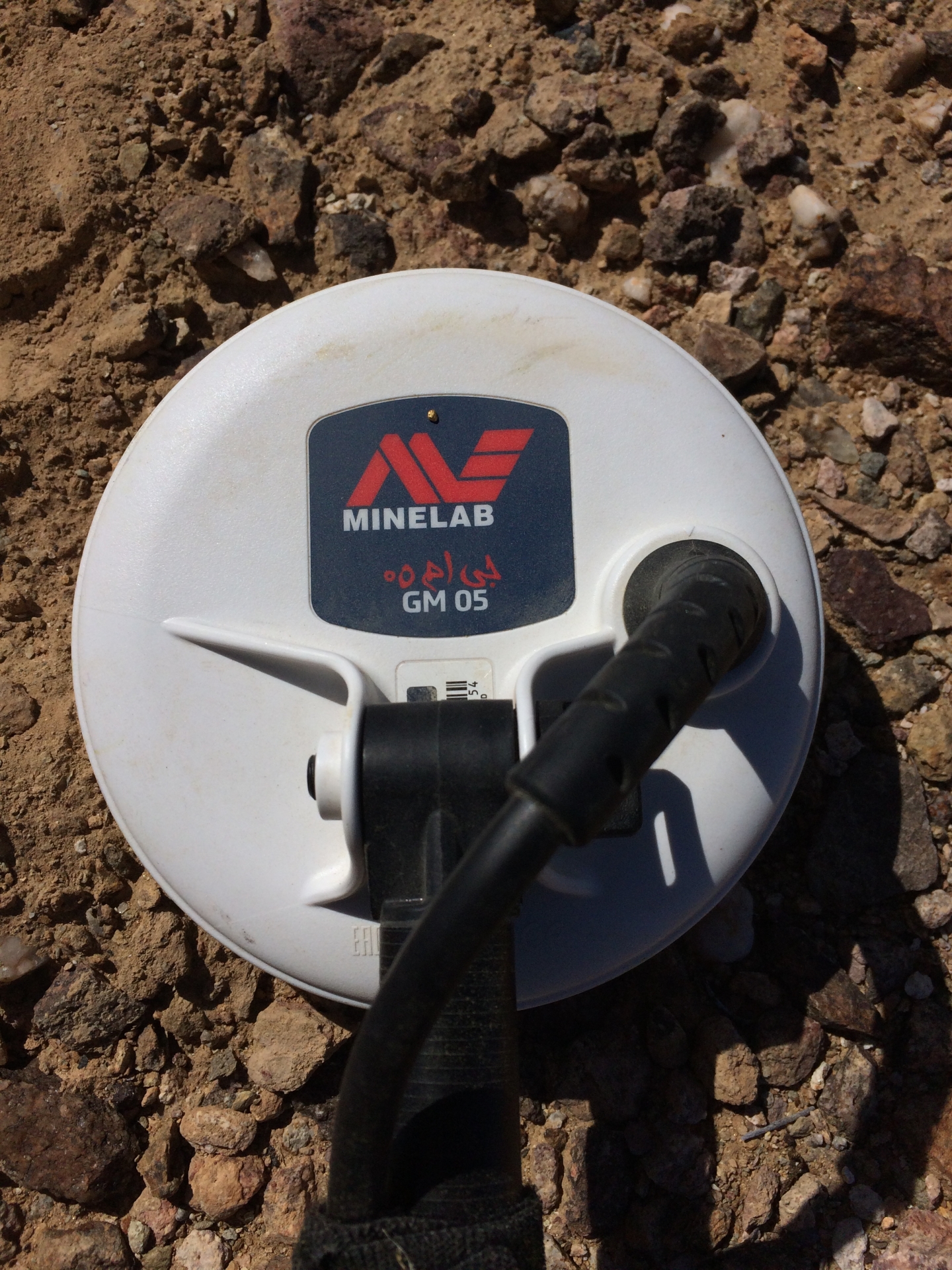
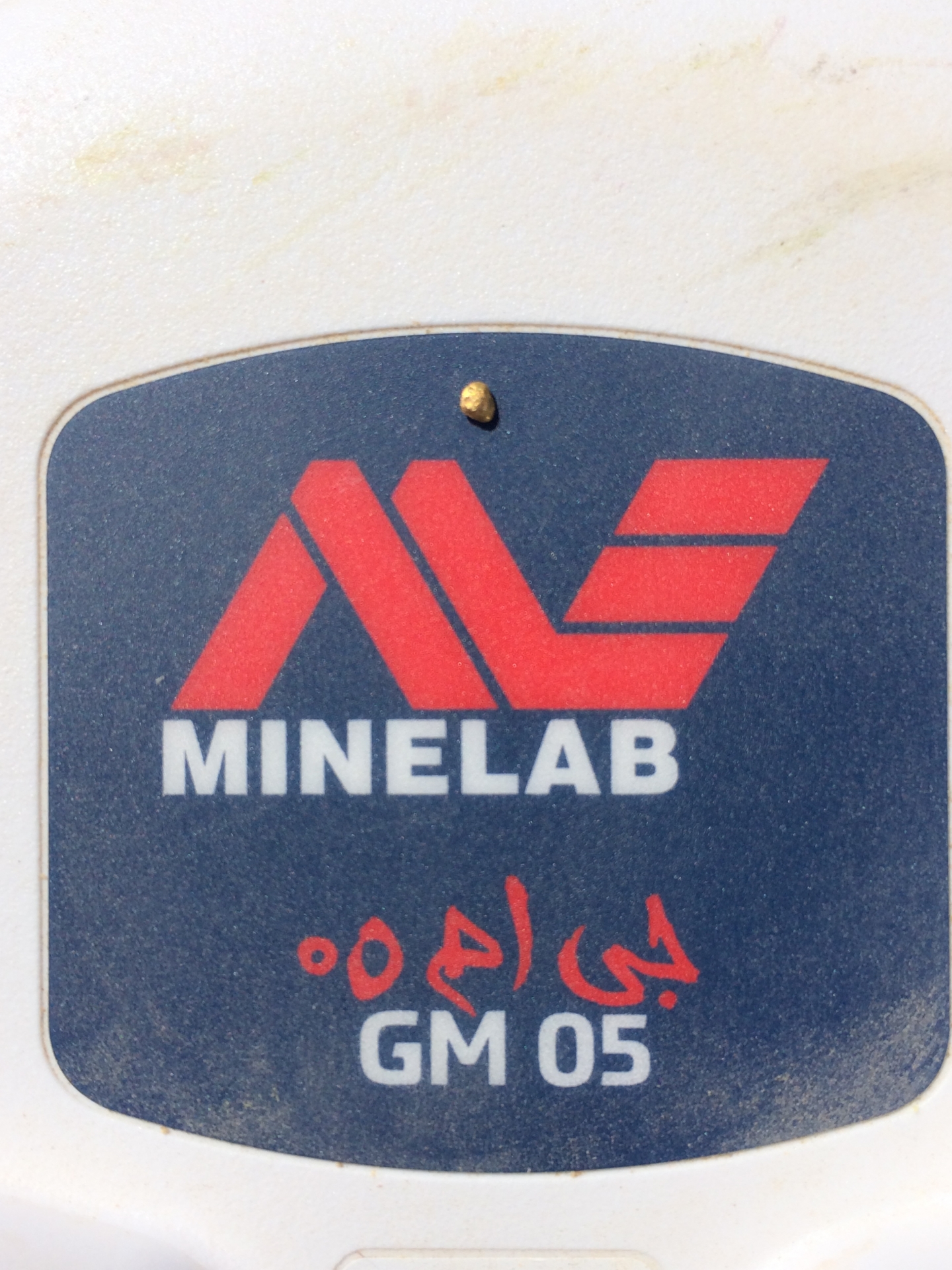
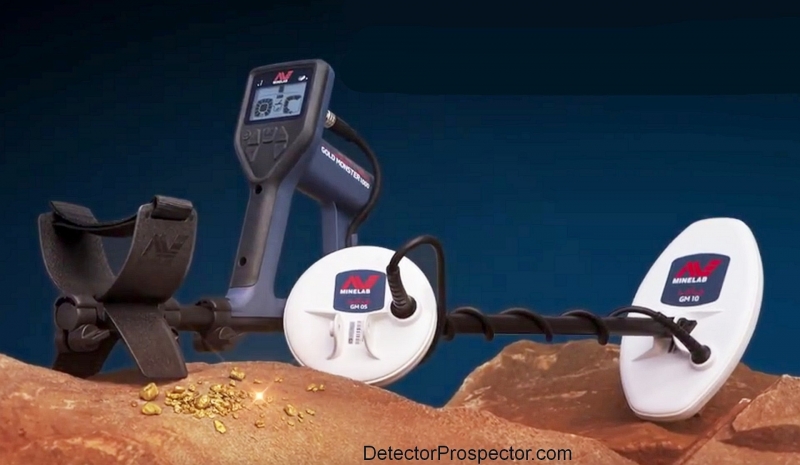
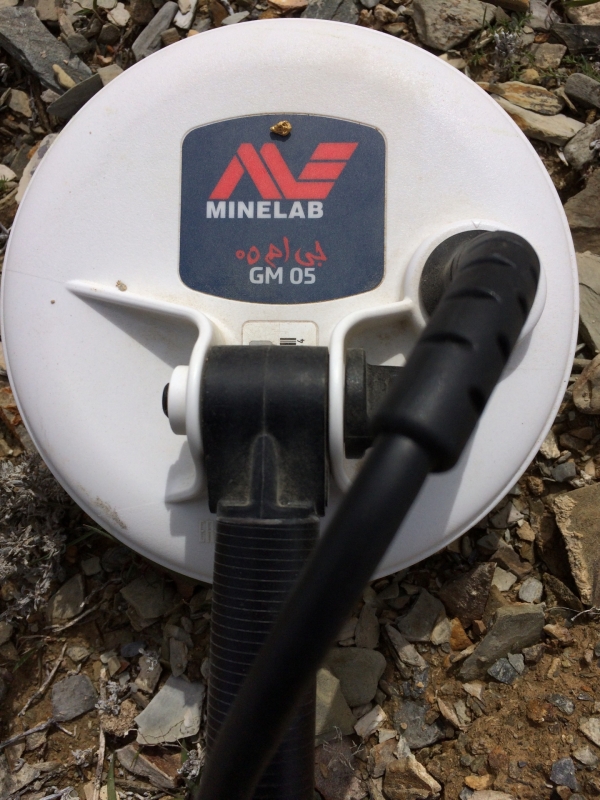
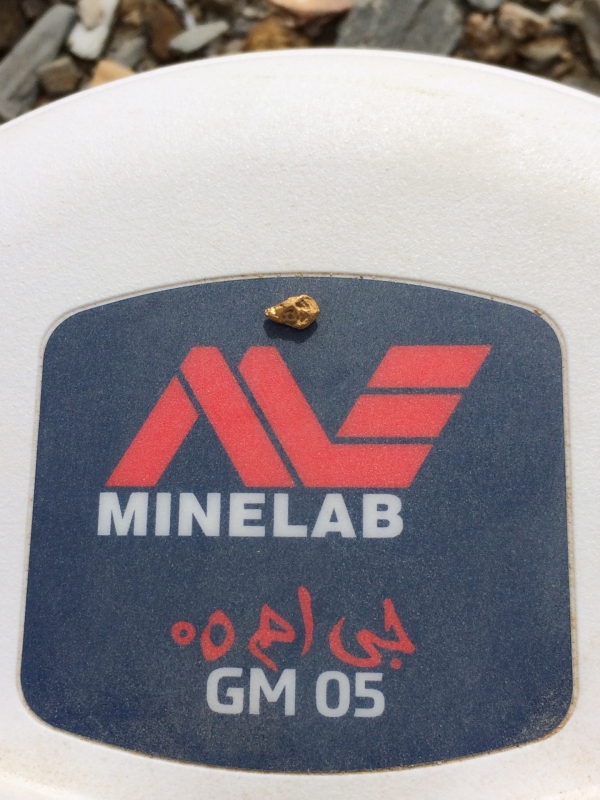
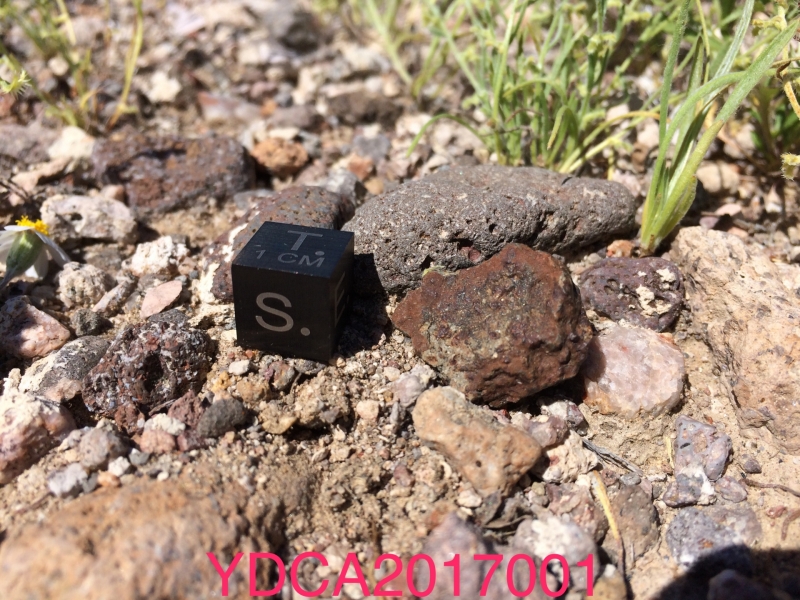
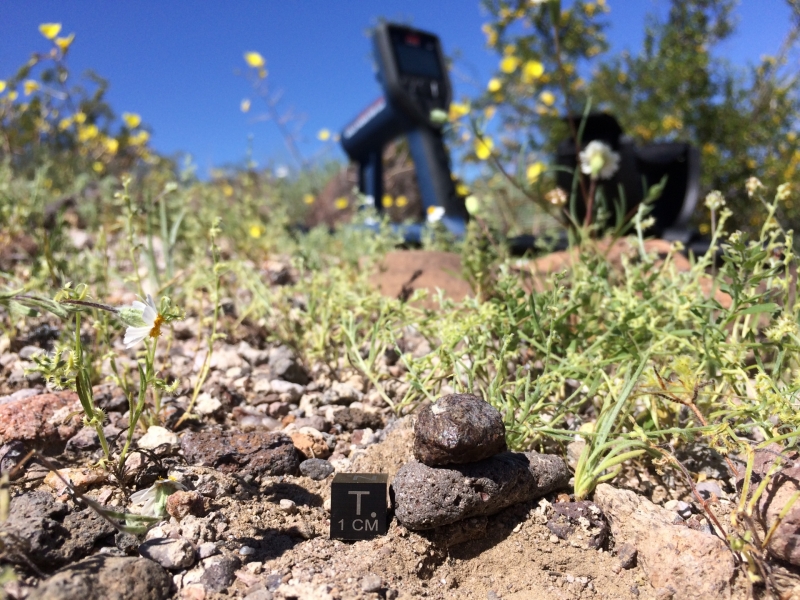
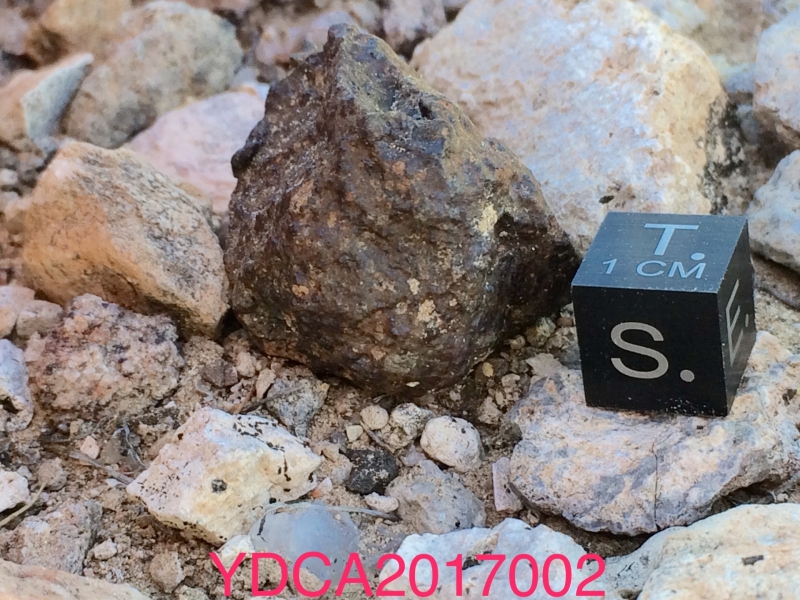
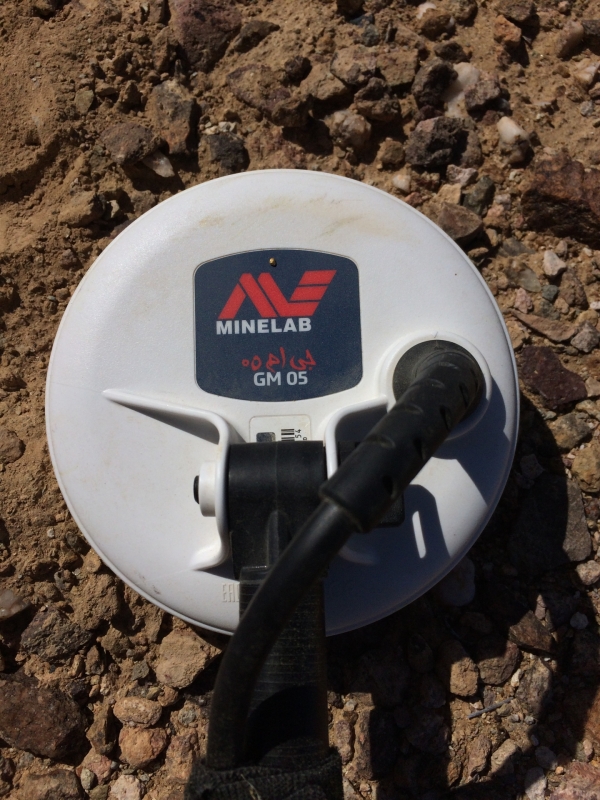
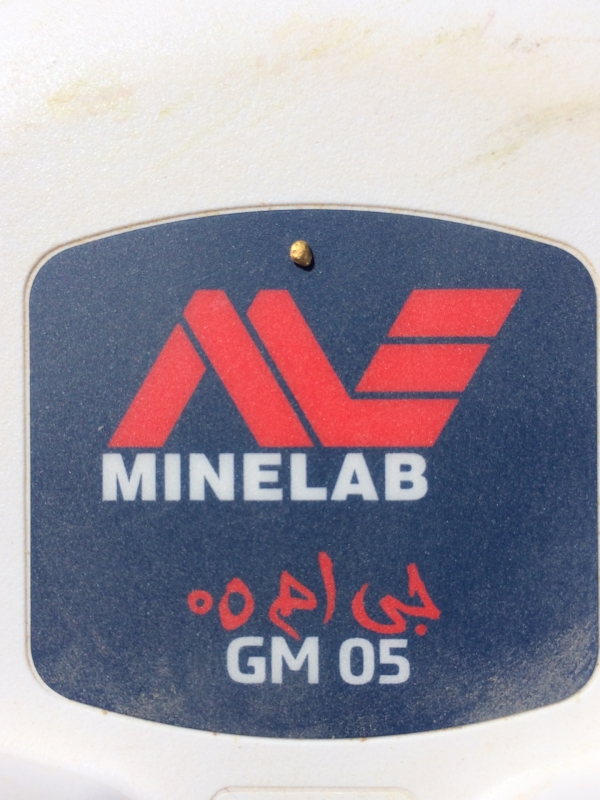
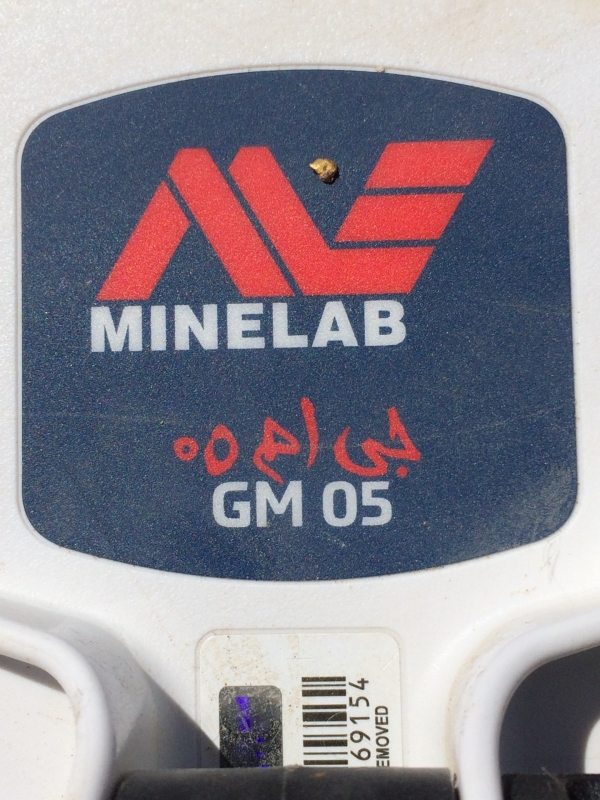
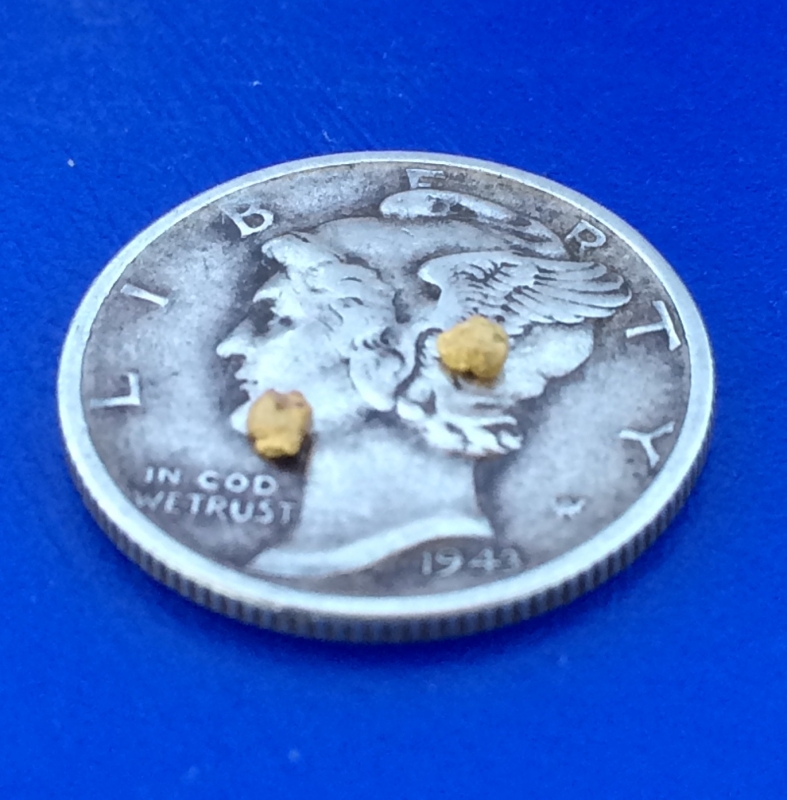
I recently had the very fortunate opportunity to use the Minelab Gold Monster 1000 for 30 days. During that time, I was able to discover the nuances of the machine that, like any metal detector, can only be fully realized by logging lots of hours behind the control box and investigating lots of targets. In Steve's excellent review, he has covered most of what the GM 1000 is capable of doing, as well as the features and functions of the machine, so I will not rehash those here. Instead, I will relate my experiences with the detector and its unadvertised abilities that have come to light during my sojourn with it in hand. I first powered up the Monster at Rye Patch, Nevada, and after a very brief automatic frequency scan, the unit emitted two short beeps, signaling that it was ready to start swinging with no pumping of the coil or ground balancing necessary...nice! The first thing I did was to bury a small 3 or 4 grain test nugget a couple of inches into the damp alkali soil, so as to fiddle with the manual and automatic sensitivity settings in order to find the most distinct target response. Right off the bat I noticed there was no audible threshold...a little unnerving, but I decided to just roll with it and trust that the engineers at Minelab know what they are doing. In all-metal search mode at low sensitivity settings there was no response from the conductive damp alkali ground, and very little to no response from the tiny test nugget. Increasing the sensitivity to 6 or 7 made the nugget start popping much better, but some slight feedback from the ground was also noticeable. At a manual sensitivity setting of 10, the conductive alkali response was overwhelming, but as soon as I increased it to 11 - which is the first automatic sensitivity setting - the screaming ground response completely disappeared and in it's place was a crisp, clear target response from the test nugget...very impressive. Advancing the automatic sensitivity to 12 (auto+), the signal response from the test nugget was even louder and more intense, but there was also some ground response as well. I decided why listen to ground noise when the test nugget is plenty audible at a setting of 11, and went with that. With any new detector, I dig every target, even if reads 100% ferrous, just to familiarize myself with how the machine responds to various different targets. The few hot rocks that signaled on the Monster, both positive and negative, completely pegged the gold chance indicator all the way left into the ferrous zone. Soon I was finding extremely small bits of foil, lead and iron. Then I started to notice something quite amazing to me; the iron targets - even the tiniest ones - were making a subtle "boing" type of a response like a negative hot rock, whereas the nonferrous targets were more zippy and lacked that subtle boing quality. After a while, I found that I no longer needed to look at the gold chance indicator to determine whether a target was ferrous or not, just by relying on the sounds; I was really starting to like this detector. Then it happened: a fairly strong response that was pegging the gold chance indicator all the way right, into the non-ferrous zone. After digging a couple of inches, out popped a beautiful little crystalline nugget weighing a mere 2.4 grains - the first Monster nugget! With the northern Nevada weather being uncooperative and still quite wintery, I headed for the sunny warm deserts of Arizona. First stop...the Yucca Dense Collection Area north of Lake Havasu City, formerly known as the Franconia meteorite strewn field. VLF machines make the best meteorite hunters, and the Gold Monster 1000 did not disappoint. I took it to an area that is carpeted with basalt hot rocks that make it extremely difficult to operate a VLF while retaining any shred of sanity. The Monster was incredibly noisy in auto sensitivity, but adjusting it manually to a setting of 4 mellowed it right out and within 5 minutes the detector nailed its first space rock! and then another a while later... Although finding meteorites is fun, the GM 1000 is a gold nugget detector after all, so it was on to the famed gold fields of Quartzsite, Arizona to see what the Monster could do in beat up old patches that have litterally been detected by hundreds, if not thousands of detector operators. Well, suffice it to say it didn't take long to find the first sub-grain speck of gold. And another... The ground in Quartzsite is much milder than the alkali rich soils of Rye Patch, but has lots more hot rocks including magnetite, which is super hot and very magnetic. As I was detecting an old nugget patch littered with these super strong magnetite hot rocks, I decided to see how the Monster responded to them; waving the coil over one resulted in a very sharp and intense zip-zip. Slowing my sweep speed to see if the signal would broaden, I slowly raised the coil an inch or two above the magnetite to see if the signal would drastically decrease in strength (an old VLF hot rock identification trick). Slowly lowering the coil back down above the rock, I was suddenly incredulous at what I was now hearing...absolutely nothing! The Gold Monster had completely tracked out a magnetite hot rock! I placed my test nugget right up against the magnetite and was stunned to hear the nugget respond loud and clear, with absolutely no interference from the hot rock. Even this guy couldn't hear that hot rock: I also found more meteorites in Quartzsite with the Gold Monster...the full story here: In my limited time swinging the new Minelab Gold Monster 1000, I can definitely say that it is unique and can do things that I haven't seen from any other single frequency VLF gold nugget detector, all in a light weight simple to operate and competitively priced package...kudos to Minelab!

-
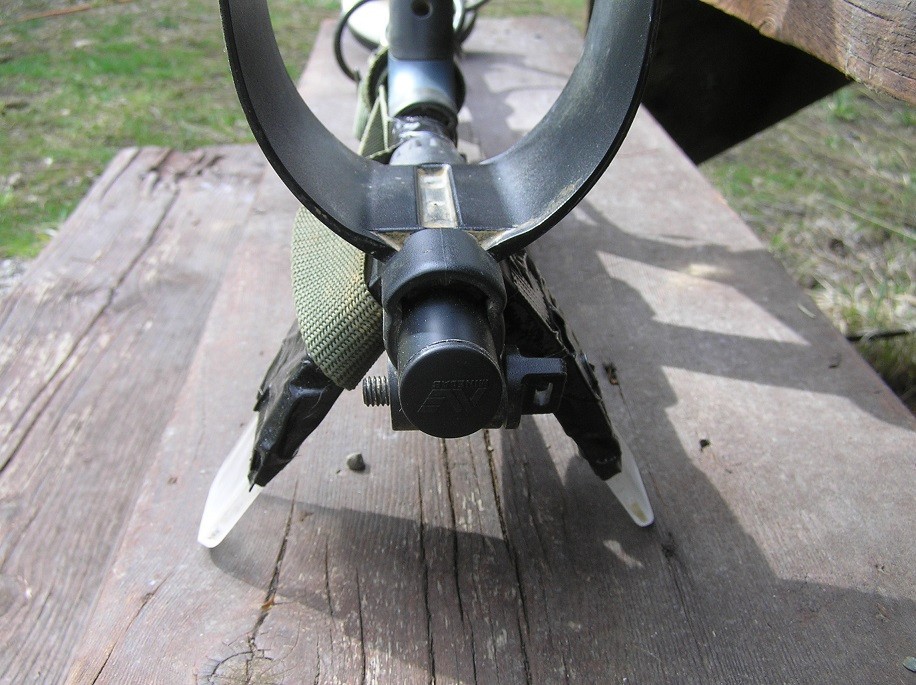
I was just wondering if there was any plans of aftermarket coils being produced for the Minelab GM1000? I can think of a couple reasons why they would be welcomed. The coils seem to be impact sensitive, and the coils do not have good edge sensitivity. Am also wondering if a concentric coil can be built to work on the gm1000? I tend to prefer concentric coils over dd's for vlf nugget detecting.










.thumb.jpg.774e04a1bfda55dff54d5d8c878c2791.jpg)


.thumb.jpg.77e4cb5bf39d44bdd2050d2edb7dfdb1.jpg)